Inca Child Sacrifice: New Study Reveals Different Cause of Death Than Previously Believed
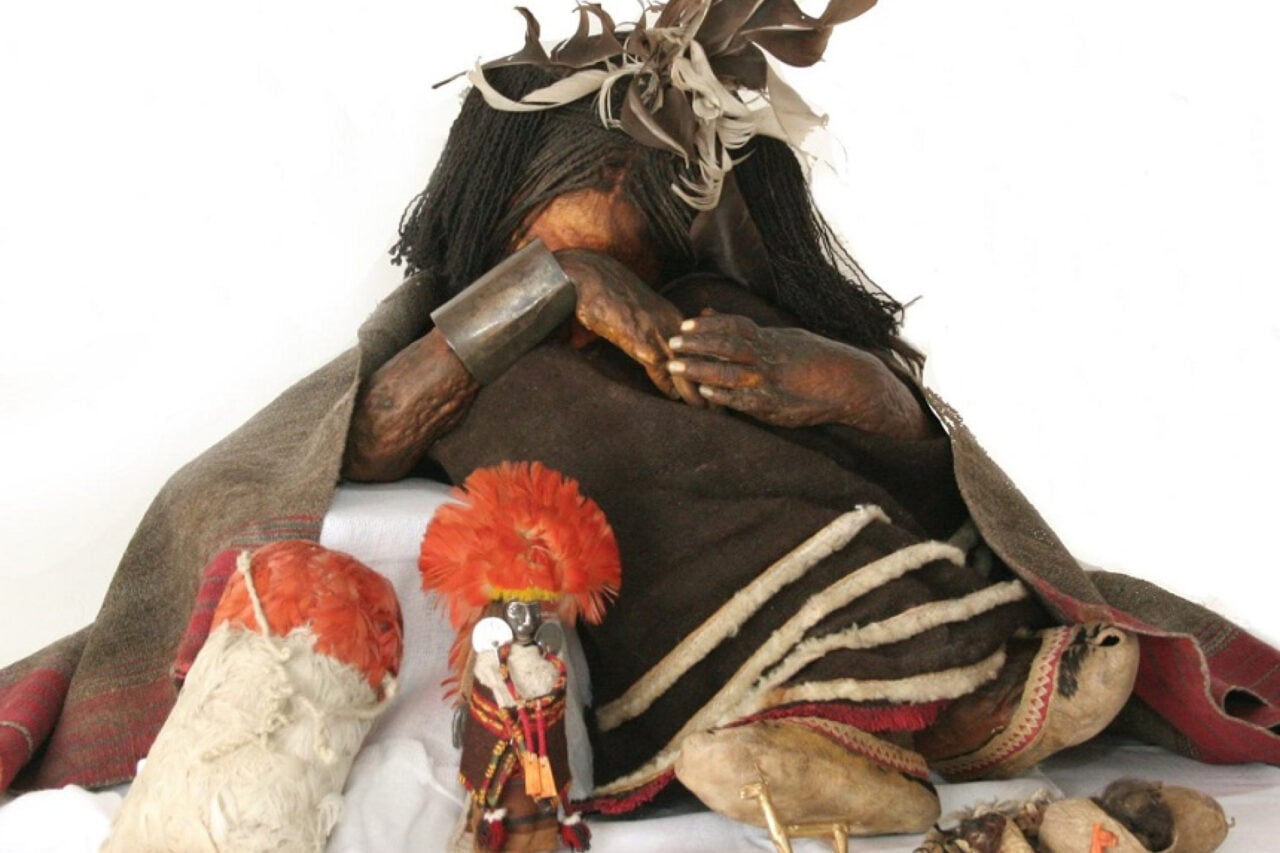
A recent study has overturned decades of scientific understanding regarding the death of an Inca child, who was believed to have been sacrificed to the gods. Researchers have uncovered new evidence that changes the narrative of the child's final moments. This finding is part of a broader investigation into the ritualistic sacrifices of three children by the Inca civilization. The original belief was that the child died from suffocation, a common method used in such ceremonies. However, the updated research suggests a different cause of death, potentially altering our comprehension of Inca burial practices and the specific circumstances surrounding these ancient rituals. The study's implications extend to understanding the health and physical condition of these children prior to their sacrifice. Further analysis of the remains and the archaeological context is expected to provide more definitive answers.
This study highlights the dynamic nature of scientific understanding, demonstrating how new evidence can fundamentally alter long-held conclusions about historical events. The re-evaluation of the Inca child's death underscores the importance of rigorous, ongoing scientific inquiry, even when previous interpretations seemed settled. By challenging established narratives, researchers not only refine our knowledge of past societies but also encourage a critical approach to historical data. This reassessment prompts consideration of the methodologies used in archaeological interpretation and the potential for future discoveries to continue reshaping our understanding of ancient human practices and beliefs.
AI-generated to prompt reflection — not editorial opinion, not advice, not a statement of fact. How this works.