Incredible Films Festival 2026 Opens with "No Good Men" Special Screening
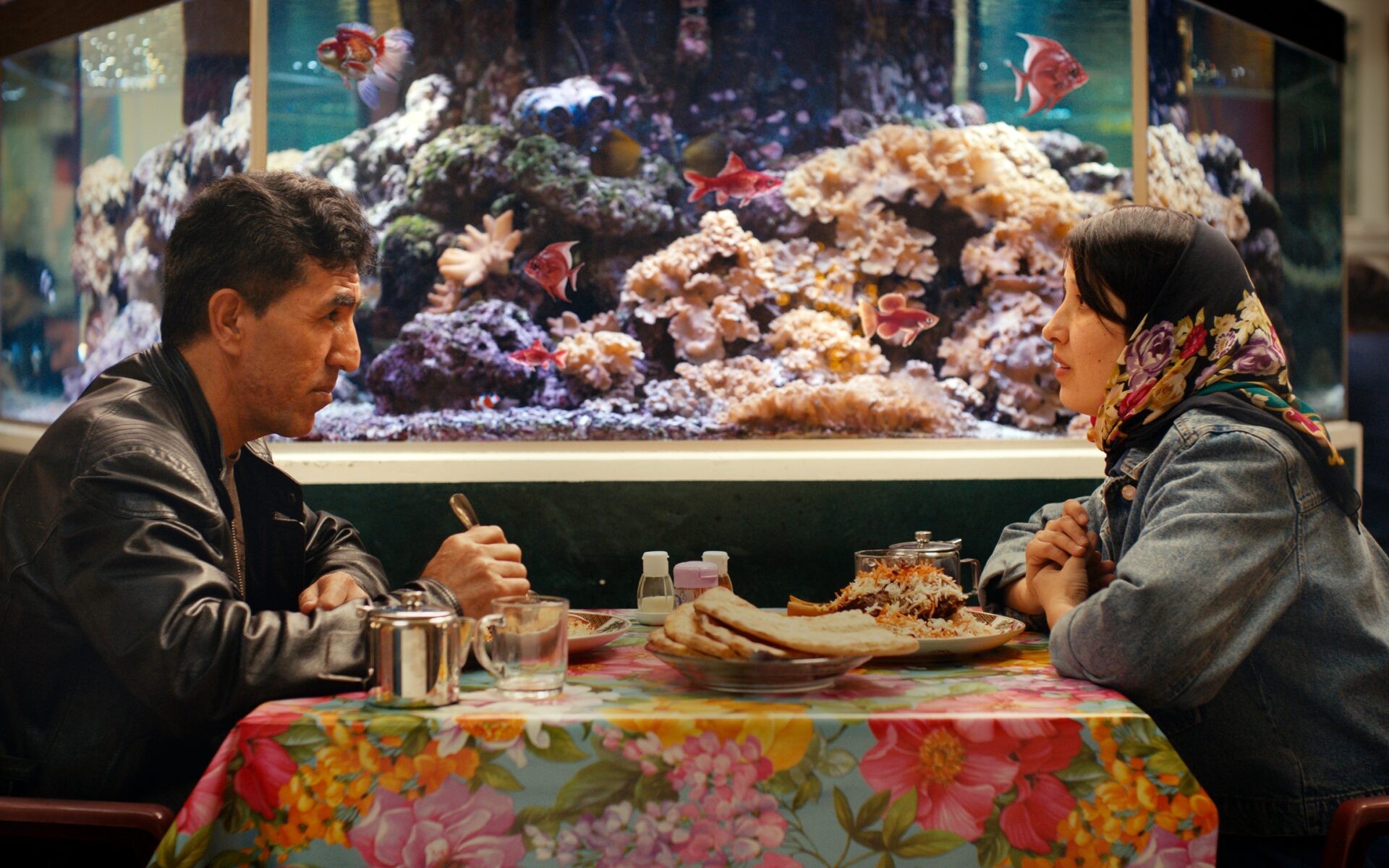
The 3rd Incredible Films Festival is set to launch its 2026 edition with a special opening night screening of "No Good Men," the latest film from Afghan director Shahrbanoo Sadat. This event will take place on July 29th at 7:30 PM at Cine Belas Artes in São Paulo, and will be accessible to both invited guests and the general public. The film, which was selected for the Opening Gala of the 76th Berlinale, blends romantic comedy elements, subtle irony, and a commentary on women's rights within a narrative set in Kabul before the Taliban's rise to power. "No Good Men" has garnered significant international acclaim and will be distributed in Brazil by Pandora Filmes. The story follows Naru, Kabul's sole female TV camerawoman, who expresses to her friends that "there are no good men left," suggesting that national culture has corrupted even relatives and former companions into misogynistic figures. Her perspective is challenged when she meets Qodrat, a prominent journalist at the same station, as they cover the final days of freedom before the Taliban's return. Co-produced by Germany, France, Norway, Denmark, and Afghanistan, the film inaugurates the festival program organized by Belas Artes Grupo. The festival will feature a total of 16 productions from 16 different countries, running from July 30th to August 12th at Cine Belas Artes. The lineup includes family dramas, social satires, fantasy, thrillers, and historical accounts, aiming to showcase cinematic works rarely seen in commercial distribution. Tickets for the opening night, which includes a welcome cocktail, are priced at R$30 for general admission and R$15 for concessions. Regular screenings will cost R$20 for general admission and R$10 for concessions.
The inclusion of "No Good Men" as the opening film for the Incredible Films Festival highlights a growing international trend of showcasing narratives that explore sociopolitical themes through artistic lenses. The film's focus on women's rights and the societal shifts in pre-Taliban Afghanistan, coupled with its international co-production, suggests a strategic effort to engage with complex global issues. This programming choice may reflect an institutional incentive to foster dialogue on human rights and cultural transitions, potentially enhancing the festival's cultural capital and attracting diverse audiences. By presenting such films, festivals can serve as platforms for critical discourse, offering perspectives that challenge conventional viewpoints and prompting reflection on the long-term impacts of political and social change on individual lives and collective identities.
AI-generated to prompt reflection — not editorial opinion, not advice, not a statement of fact. How this works.