Indaiatuba's Vehicle Fleet Surges 36%, Eroding City's Bicycle-Friendly Reputation
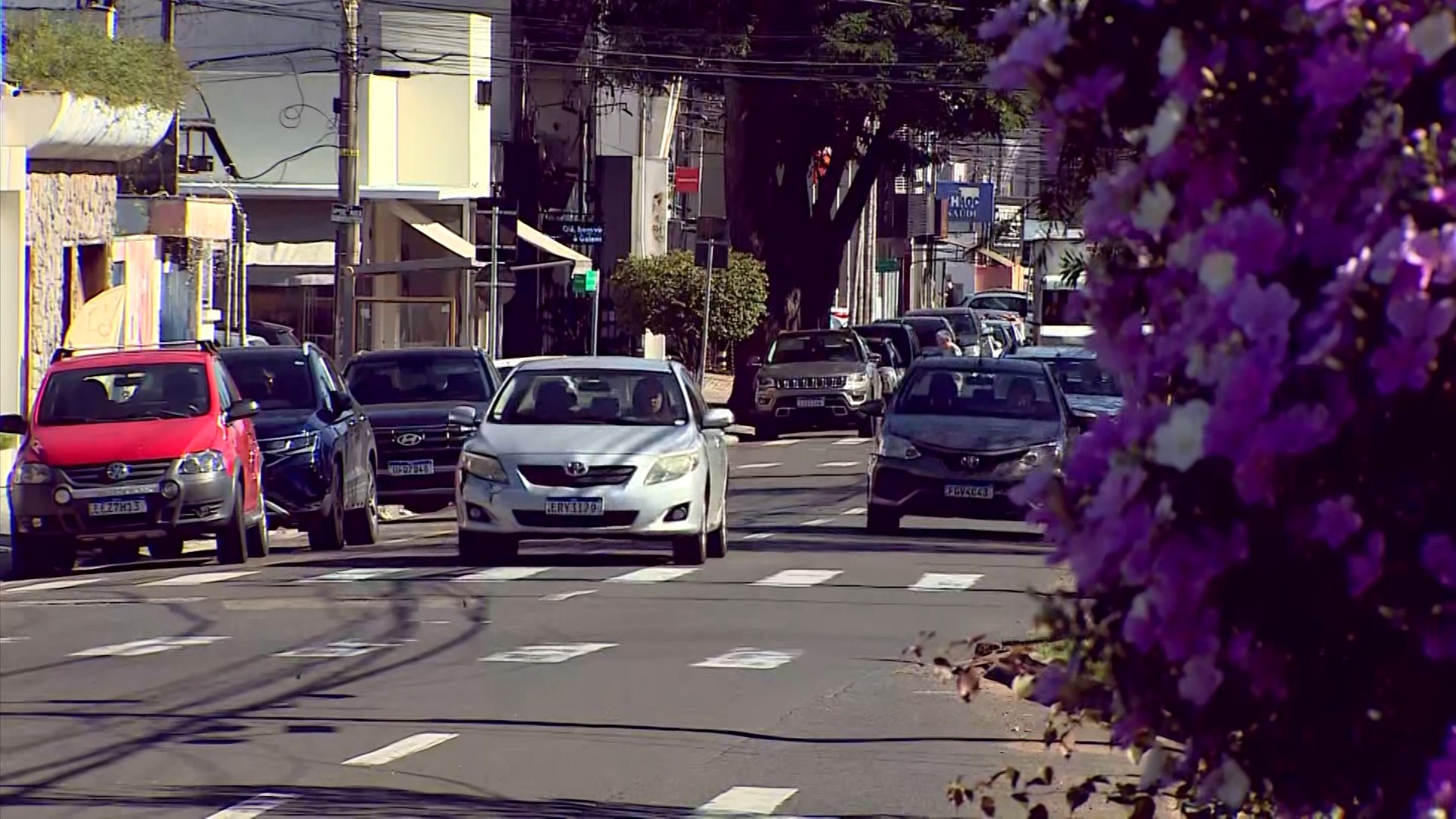
Indaiatuba, a Brazilian city once lauded as a "bicycle capital," has experienced a significant increase in its vehicle fleet, with a 35.95% rise over the past decade according to data from the State Department of Traffic of São Paulo (Detran-SP). This surge in cars has altered the city's landscape, shifting it from a model of bicycle transportation to one grappling with increased traffic, congestion, and a growing sense of insecurity among cyclists. In 2014, bicycles outnumbered cars, with 130,000 bikes compared to 94,000 vehicles. Today, residents report that cycling, once a primary mode of daily commute, is now largely relegated to leisure due to perceived dangers on the road, despite the city having approximately 80 kilometers of bike lanes. The city government attributes the vehicle fleet growth to economic and population development, stating that it is investing in urban mobility improvements. These include strategic actions under the Municipal Urban Mobility Program (Promob), such as the creation of an Integrated Mobility Center and a Traffic Signal Control Center for real-time monitoring, along with new road constructions, traffic flow adjustments, and enhanced pedestrian and cyclist infrastructure. Additionally, the city has implemented a zero-fare policy for public transport on Sundays and holidays and expanded bus routes to encourage sustainable mobility, though residents express concerns that infrastructure development has not kept pace with the rapid increase in vehicles.
The narrative of Indaiatuba's evolving mobility reflects a common urban challenge: balancing economic growth and individual vehicle adoption with sustainable transport and public safety. While the city's administration highlights investments in infrastructure and public transit initiatives, residents' perceptions of increased danger and congestion suggest a potential disconnect between policy implementation and on-the-ground realities. The data indicates a clear trend toward car dependency, which, if unchecked, could undermine public health goals and environmental sustainability. Future urban planning must prioritize integrated multimodal systems that actively disincentivize single-occupancy vehicle use, not just accommodate it, to preserve quality of life and ensure equitable access to mobility for all residents.
AI-generated to prompt reflection — not editorial opinion, not advice, not a statement of fact. How this works.