Independent Candidates Surge in the U.S., Challenging Two-Party Dominance
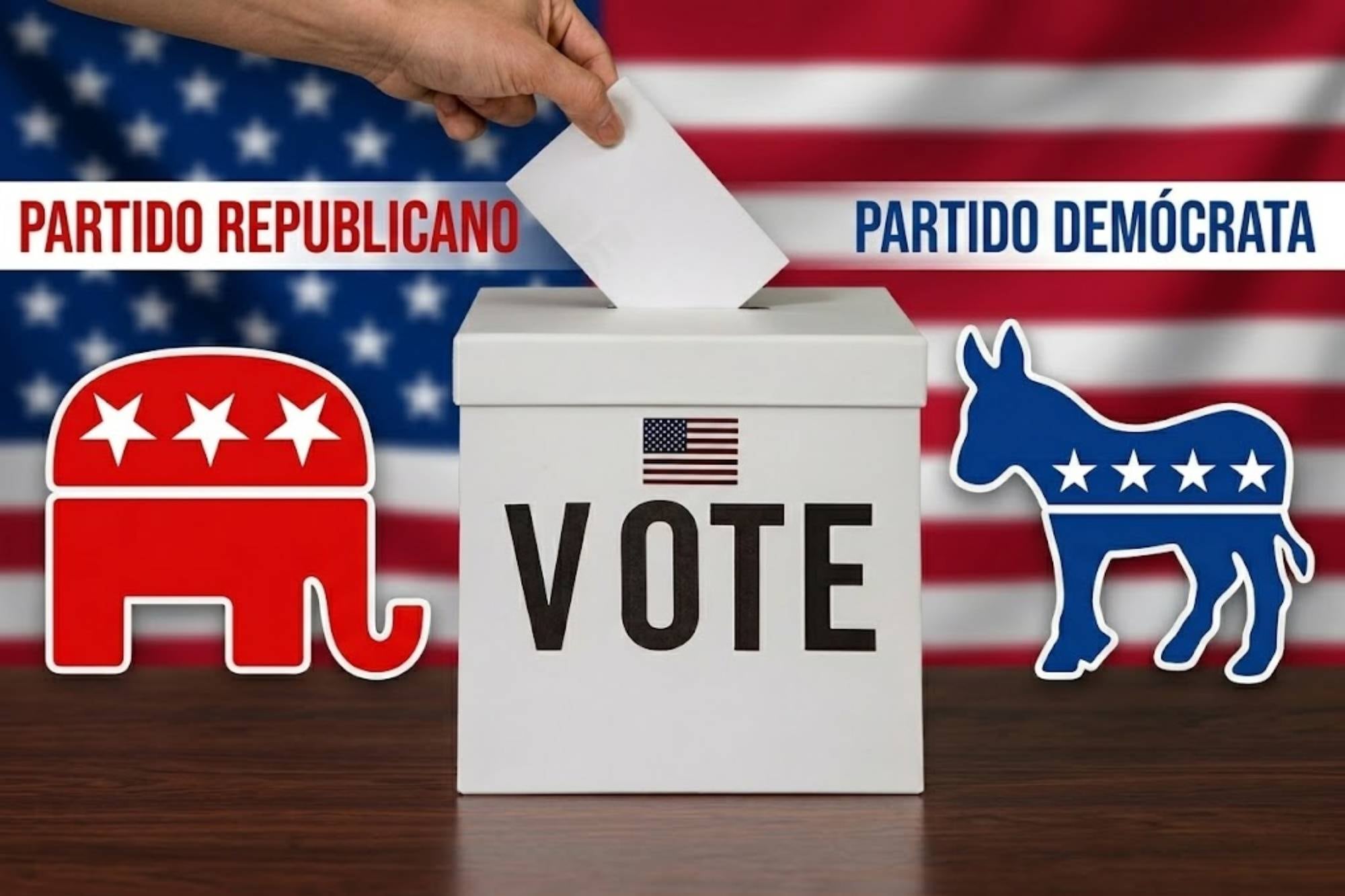
The number of independent candidates running for office in the United States is on the rise, presenting a growing challenge to the traditional two-party system. This trend is observed across various states, with certain regions showing a higher concentration of these non-affiliated candidates. The increasing participation of independents could significantly influence the upcoming 2026 elections, potentially altering established political dynamics.
While the exact reasons for this surge are multifaceted, factors such as voter dissatisfaction with established parties and a desire for alternative political voices are believed to be contributing. The growing presence of independent candidates may lead to more diverse political platforms and a broader range of policy discussions. Observers are closely monitoring how this trend will play out in future electoral cycles and its long-term impact on American democracy.
The increasing prominence of independent candidates suggests a potential fragmentation of the established U.S. political landscape, driven by voter sentiment seeking alternatives to traditional party platforms. This phenomenon may reflect broader shifts in public trust and engagement with political institutions. The impact on future elections will likely depend on the ability of these independent candidates to mobilize voters and secure resources, potentially forcing major parties to adapt their strategies and policy offerings to remain competitive. This trend could foster greater policy innovation but also presents challenges in forming stable governing coalitions.
AI-generated to prompt reflection — not editorial opinion, not advice, not a statement of fact. How this works.