India Aims to Slash Crude Oil Import Bill by 2030 with EV Infrastructure Push
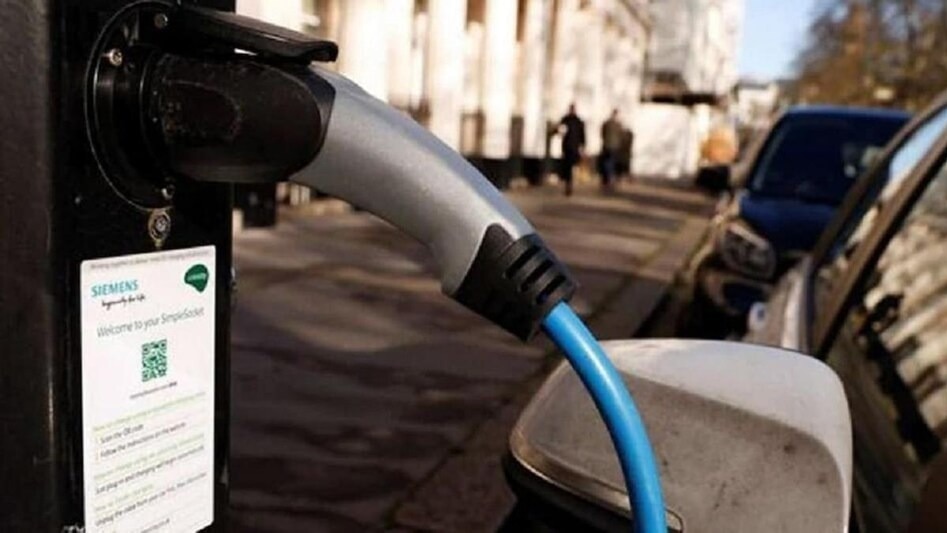
A report by the State Bank of India (SBI) indicates that India is poised to significantly reduce its crude oil import bill by the year 2030. This projected decrease is attributed to the nation's vigorous focus on developing electric vehicle (EV) infrastructure. The government's emphasis on expanding charging stations and promoting EV adoption is expected to drive down the demand for traditional fossil fuels. Consequently, India aims to achieve a substantial cut in its expenditure on imported crude oil. This strategic shift towards electric mobility is a key component of India's broader energy security and economic diversification goals. The initiative underscores a commitment to sustainable transportation and reducing reliance on volatile global oil markets. The success of this plan hinges on continued investment and policy support for the EV ecosystem.
India's strategic investment in EV infrastructure by 2030 represents a proactive approach to mitigating the economic vulnerabilities associated with crude oil import dependency. This initiative aligns with global trends toward decarbonization and technological advancement in the transportation sector. The success of this transition will likely depend on the pace of technological innovation, consumer adoption rates, and the robustness of the supporting grid infrastructure. Furthermore, managing the supply chain for EV components and battery recycling will be critical for long-term sustainability. This policy shift could reshape India's energy landscape, fostering domestic industry growth while potentially influencing geopolitical energy dynamics.
AI-generated to prompt reflection — not editorial opinion, not advice, not a statement of fact. How this works.