India Avoids High Tariffs on Forced Labor Goods; Trade Talks Continue
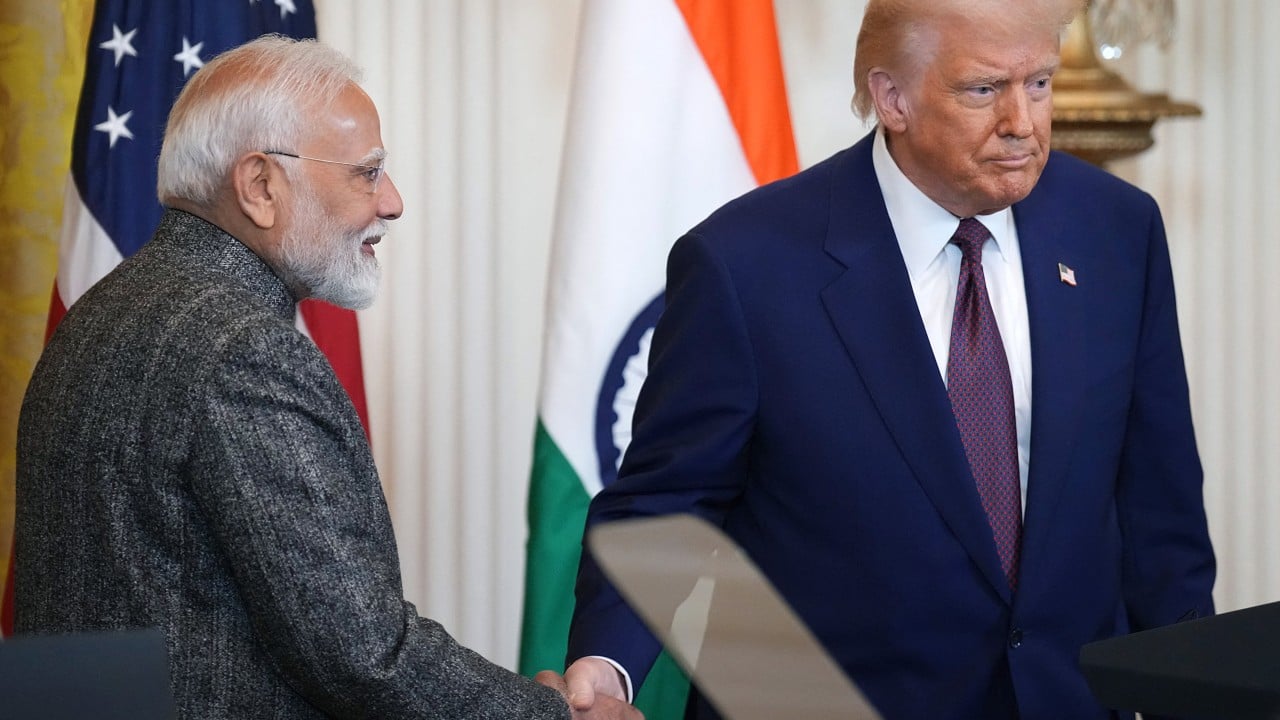
India has largely avoided the most severe tariff actions from Washington concerning goods produced with forced labor. The US administration had previously threatened India with a 12.5% tariff rate, but ultimately placed the country among 17 economies that received lower, or no, tariffs. This decision came as part of a broader initiative targeting 60 economies accused of failing to prevent imports made with forced labor. Despite this reprieve, analysts suggest that significant negotiations are still required to finalize a long-anticipated trade agreement between India and the United States. The lower-than-expected tariffs offer some relief, but the underlying issues necessitating these trade discussions remain unresolved. Securing a comprehensive trade deal will likely involve further complex discussions on various trade practices and compliance measures.
The US tariff action, framed around combating forced labor, presents a complex interplay of trade policy and international relations. While India has received a more favorable tariff outcome in this instance, the underlying concerns regarding supply chain integrity and labor practices remain a point of contention. Future trade negotiations will likely hinge on the ability of both nations to establish transparent and verifiable mechanisms for addressing these issues. This situation highlights the evolving landscape of global trade, where ethical considerations and supply chain scrutiny are increasingly influencing economic policy and bilateral agreements, potentially reshaping international commerce in the coming decade.
AI-generated to prompt reflection — not editorial opinion, not advice, not a statement of fact. How this works.