India Bans Imports of Goods Made With Forced Labor
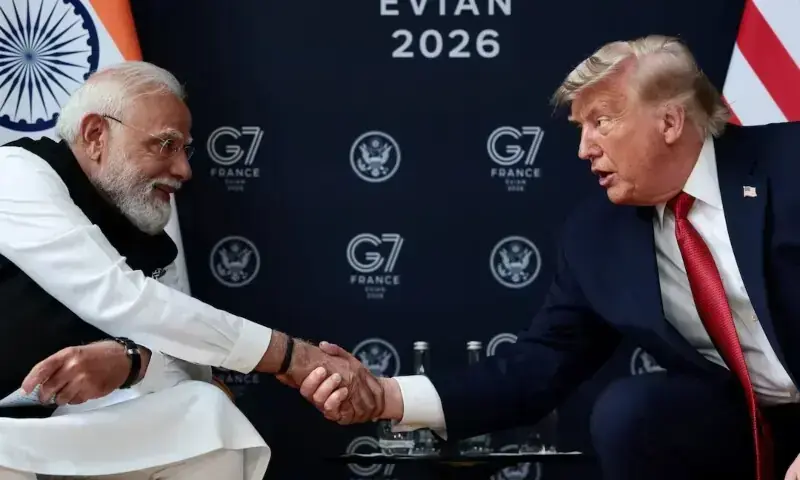
India's trade ministry announced on Tuesday a prohibition on the import of goods manufactured using forced labor. This new regulation empowers the central government to ban such imports through official notification. The policy is set to take effect in 30 days. The Indian foreign trade body will be responsible for investigating imported goods for evidence of forced labor. If such evidence is found, the body will recommend a ban on those products following consultations. This move comes as India, along with several other nations, faces potential new U.S. trade tariffs. The United States Trade Representative has proposed tariffs ranging from 10% to 12.5% on goods from approximately 60 economies, including India and Pakistan. These proposed tariffs are a response to allegations that these countries have failed to adequately prohibit the import of goods produced with forced labor. The U.S. is currently rebuilding its tariff strategy after experiencing legal setbacks. The proposed U.S. tariffs are subject to a public comment period before a final decision is made. Currently, most goods imported from India face a 10% U.S. tariff, but steeper tariffs are anticipated due to separate U.S. probes into forced labor and industrial overcapacity.
India's newly announced ban on imports of goods made with forced labor appears to be a strategic response to potential U.S. tariffs. By proactively addressing the issue of forced labor, India aims to mitigate the economic impact of U.S. trade actions, which could otherwise impose significant additional duties. This policy shift reflects a broader global trend toward greater scrutiny of supply chain ethics and human rights. The effectiveness of India's ban will depend on robust enforcement mechanisms and transparent investigation processes. The interplay between national regulations and international trade pressures highlights the evolving landscape of global commerce, where ethical considerations are increasingly intertwined with economic policy and geopolitical strategy. This development underscores the growing importance of supply chain transparency and corporate responsibility in the face of international trade disputes and evolving consumer and governmental expectations.
AI-generated to prompt reflection — not editorial opinion, not advice, not a statement of fact. How this works.