India Blocks Parliament March by Youth Activists Amid Education Minister Scandal
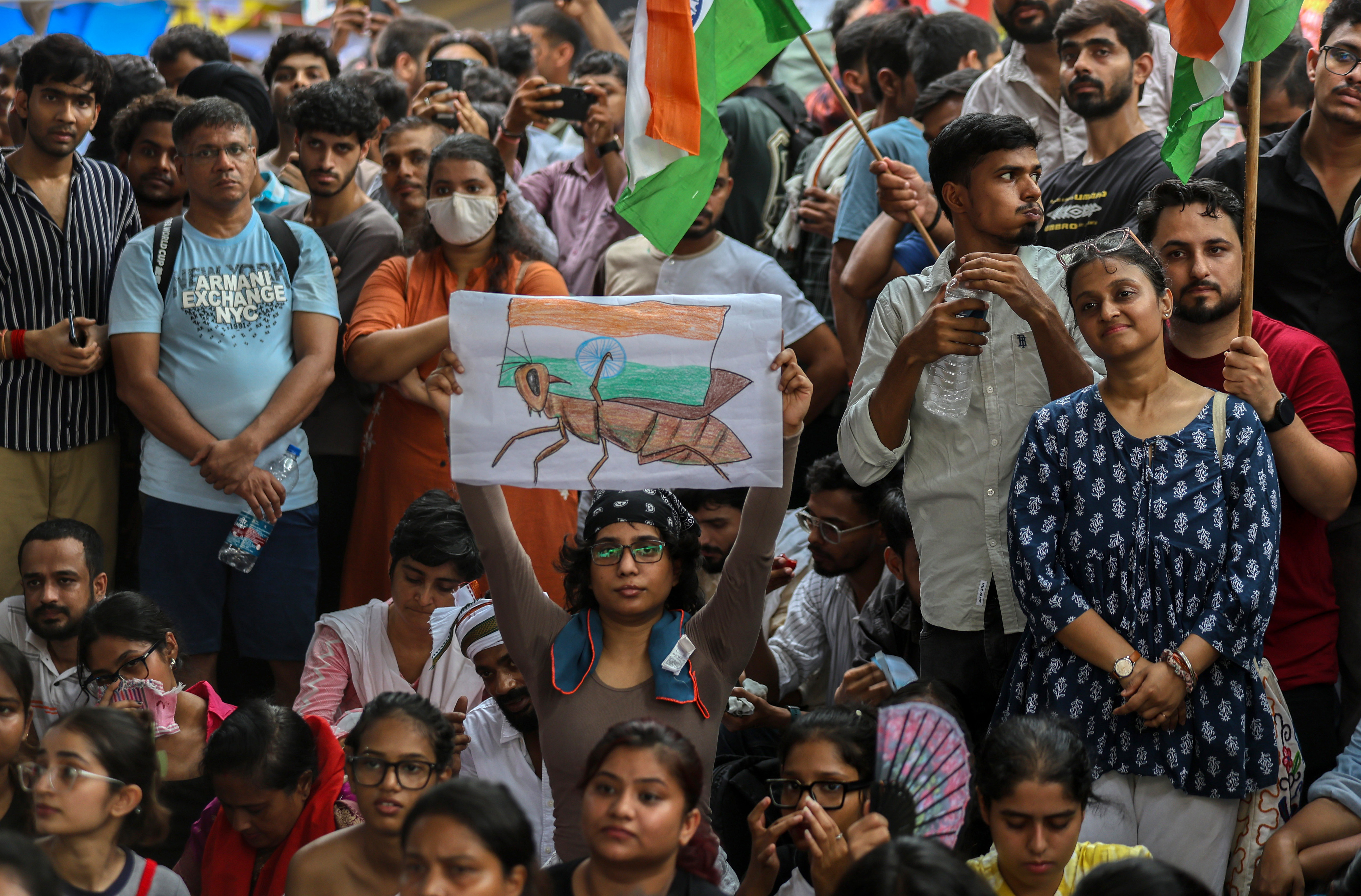
New Delhi police have refused permission for a planned march on parliament by the youth-led "Cockroach" movement, scheduled for Monday. This decision heightens the risk of a confrontation as pressure mounts for the dismissal of Prime Minister Narendra Modi's education minister. The demand for the minister's sacking stems from recent leaks of examination papers. The "Cockroach" movement, characterized as youth-led, had intended to protest these alleged failures. The denial of permission by authorities indicates a move to prevent further public demonstrations related to the scandal. The situation remains tense as the government faces criticism over educational integrity and governance. The banned march was intended to voice public discontent directly to lawmakers. This event underscores the growing public scrutiny of the education ministry's handling of sensitive national examinations. The standoff is expected to continue as activists may seek alternative means to express their grievances.
The Indian government's decision to prohibit a protest march on parliament, organized by a youth movement critical of the education minister due to exam leaks, reflects a strategy to manage public dissent and maintain order. While authorities aim to prevent potential disruptions and control the narrative surrounding the scandal, such actions can inadvertently amplify grievances and foster distrust. The underlying issue of exam paper leaks points to systemic challenges in educational administration and oversight, potentially impacting the credibility of the examination process. The government faces a trade-off between immediate control and long-term public confidence; suppressing protests may offer short-term stability but could erode democratic participation and accountability mechanisms. The situation highlights the ongoing tension between state authority and citizen activism in addressing governance failures, particularly in a digitally connected era where information and dissent can spread rapidly.
AI-generated to prompt reflection — not editorial opinion, not advice, not a statement of fact. How this works.