India Border Closure Cripples Pabna Hosiery Industry, Leaving Thousands Jobless
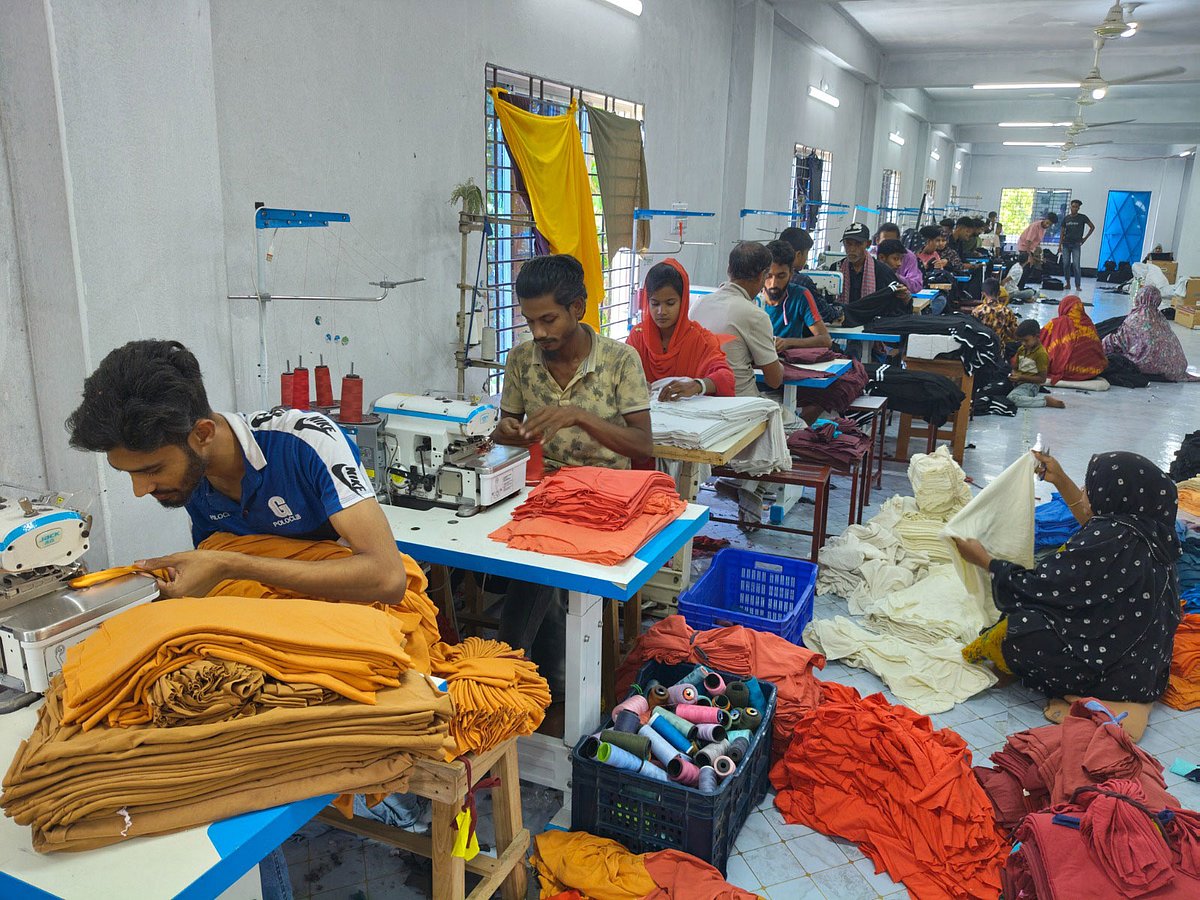
The traditional hosiery industry in Pabna, Bangladesh, is facing a severe crisis due to the closure of land-based exports to India. This has led to widespread unemployment, with approximately 65% of the 100,000 workers in around 3,000 factories now jobless. Many factory owners, like Arif Hossain, who invested heavily and employed hundreds, have been forced to shut down their operations and are facing bankruptcy due to unsold inventory and mounting debts. The industry, with roots dating back 200 years, has historically exported a significant portion of its products, with 65% of Bangladesh's hosiery goods originating from Pabna. Before the land route closure, over a hundred trucks carrying goods worth an estimated $150,000 to $200,000 USD would cross the border weekly. Currently, only seven to eight trucks are being sent via slower and more expensive maritime routes, leading to significant financial losses for entrepreneurs. The extended payment cycles, taking over a month for received funds, further exacerbate the financial strain. This disruption has also impacted the supply of raw materials, with traders reporting unsold stock of fabric scraps and having to lay off workers involved in sorting. The situation has created widespread anxiety among business owners and workers alike, with many seeking alternative employment. Industry leaders and local commerce representatives are urgently appealing to the government for swift intervention, advocating for the reopening of land routes to India to revive this vital traditional industry and protect the livelihoods of its workforce.
The disruption of land-based exports from Pabna to India highlights the vulnerabilities inherent in concentrated supply chains and reliance on specific trade routes. The shift to maritime transport, while maintaining some trade, introduces significant logistical and financial inefficiencies, impacting the competitiveness of the hosiery sector. This event underscores the need for diversified export markets and resilient trade infrastructure to mitigate the impact of geopolitical or border-related policy changes. Future-proofing such traditional industries may involve exploring digital trade platforms, investing in alternative transportation networks, and fostering domestic market demand to reduce over-reliance on single export destinations. The long-term sustainability of the Pabna hosiery industry hinges on adapting to these evolving trade dynamics and securing more stable, predictable access to international markets.
AI-generated to prompt reflection — not editorial opinion, not advice, not a statement of fact. How this works.