India Charges Hafiz Saeed in Kashmir Tourist Attack Case
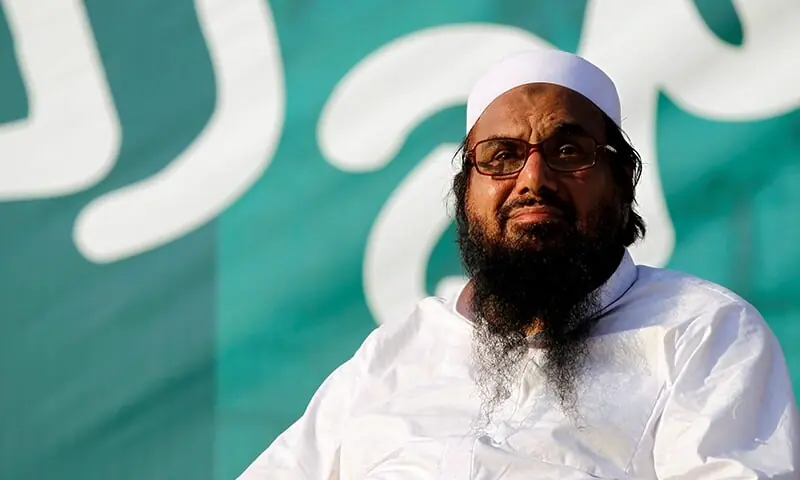
India's National Investigation Agency (NIA) has filed charges against Pakistan's Hafiz Saeed, accusing him of orchestrating an attack on tourists in Pahalgam, India-occupied Kashmir, last year. The NIA statement alleges that Saeed, identified as the chief of Jamaat-ud-Dawa (JuD) and linked to Lashkar-e-Taiba (LeT), engaged in "waging war against India and hatching a conspiracy from across the border." This development follows India's earlier attribution of the attack to a group called 'The Resistance Front,' which the NIA now claims is a proxy for LeT. The Pahalgam incident had previously led to significant military tensions between India and Pakistan, with India blaming Islamabad without providing evidence and subsequently suspending the Indus Waters Treaty, along with launching cross-border attacks. Pakistan has consistently denied involvement and has requested evidence from India, with Prime Minister Shehbaz Sharif even proposing an independent investigation, which New Delhi reportedly did not accept. Hafiz Saeed has previously faced terror financing charges in Pakistan and is also accused by India of masterminding the 2008 Mumbai attacks.
This legal action by India's NIA against Hafiz Saeed, linking him to the Pahalgam tourist attack, introduces a new dimension to the ongoing geopolitical tensions between India and Pakistan. By formally charging Saeed, India aims to solidify its narrative and potentially exert international pressure, shifting focus from 'The Resistance Front' to a globally recognized figure. Pakistan's consistent denial and requests for evidence highlight a persistent information asymmetry and trust deficit, which complicates diplomatic resolution and fuels regional instability. The framing of the charges, particularly "waging war," reflects a strategic intent to categorize the alleged actions as state-sponsored aggression rather than isolated incidents. This move could further entrench existing adversarial dynamics, impacting regional security frameworks and potentially influencing future bilateral engagements on counter-terrorism cooperation, or lack thereof.
AI-generated to prompt reflection — not editorial opinion, not advice, not a statement of fact. How this works.