India-China border trade resumes via Lipulekh Pass
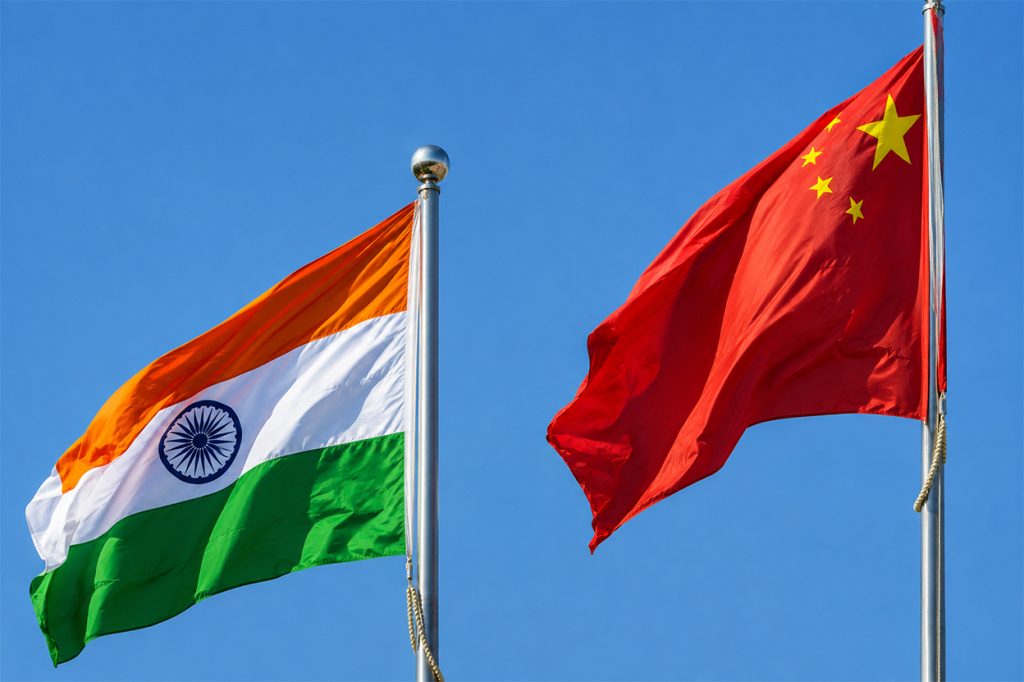
Border trade between India and China has resumed through the Lipulekh Pass, a significant route connecting the two nations. Indian traders are now permitted to export 36 types of goods to China. These exports include dried fruits, spices, handicrafts, and medicinal herbs. Chinese traders, in turn, can import 20 types of products into India. These Chinese imports consist of items such as Pashmina, wool, yak hair, sheep and goat skins, and China clay. Officials from the Ministry of External Affairs have described the situation as 'serious,' indicating the geopolitical sensitivity surrounding this trade route. The resumption of trade is expected to have economic implications for businesses on both sides of the border.
The reopening of the Lipulekh Pass for India-China trade signifies a pragmatic adjustment to economic realities, potentially driven by the need for market access and supply chain diversification. While facilitating commerce, the 'serious' designation by foreign ministry officials suggests underlying geopolitical considerations, possibly related to regional stability, border management, or existing trade imbalances. This event highlights the complex interplay between economic interdependence and national security interests, particularly in a region with historical territorial disputes. Future trade dynamics will likely be shaped by evolving bilateral relations and China's broader economic strategies, with potential implications for regional economic integration and the resilience of global supply chains.
AI-generated to prompt reflection — not editorial opinion, not advice, not a statement of fact. How this works.
