India-China border trade resumes via Lipulekh Pass after six years
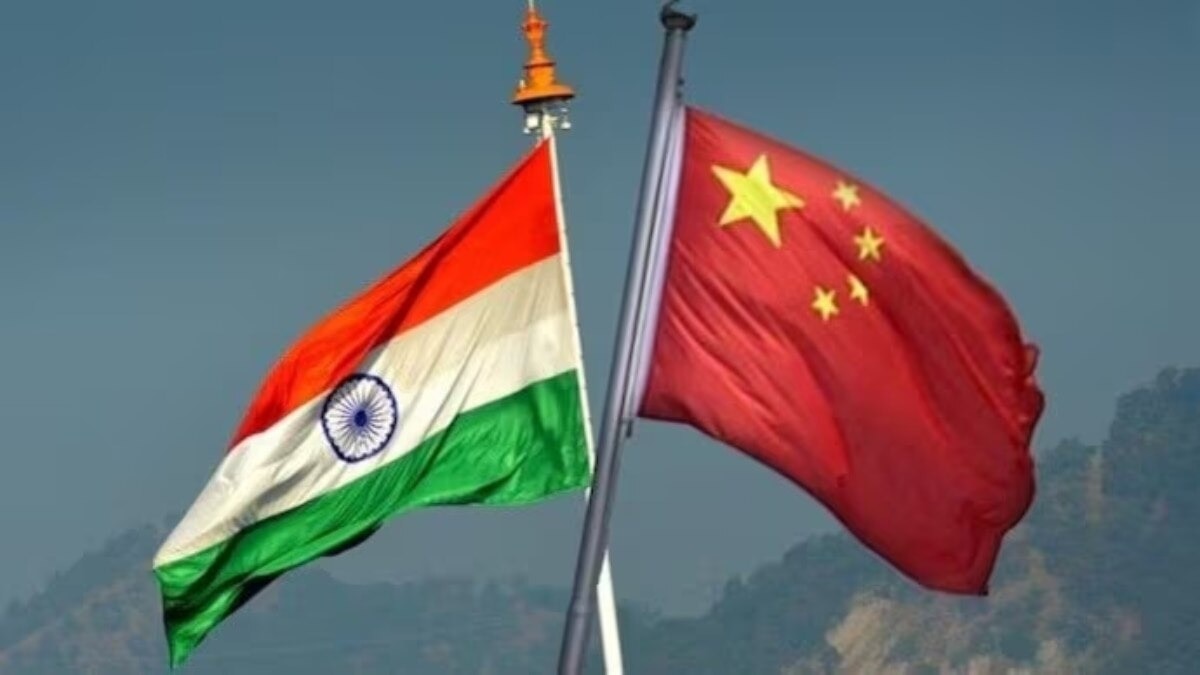
Border trade between India and China through the Lipulekh Pass in Uttarakhand has resumed after a hiatus of more than six years. The pass, a crucial trading route, had been closed since 2017. China has granted permission for 20 Indian traders to travel to Taklakot, a significant trading hub on the Chinese side. This resumption is expected to revitalize economic activities and strengthen bilateral trade relations between the two neighboring countries. The Lipulekh Pass is strategically important, facilitating commerce and cultural exchange along the India-China border. The reopening marks a positive development in diplomatic and economic ties, potentially benefiting traders and local economies on both sides.
The resumption of trade via the Lipulekh Pass after a six-year closure signifies a potential recalibration of India-China border management strategies. This move could be influenced by evolving geopolitical dynamics and the mutual economic incentives for border regions. The decision to allow 20 Indian traders to Taklakot suggests a phased approach to re-establishing trade, possibly testing the stability of the renewed trade channels. Future developments will likely depend on broader bilateral relations and adherence to agreed-upon protocols, impacting regional economic integration and potentially influencing trade patterns in the Himalayas over the next decade.
AI-generated to prompt reflection — not editorial opinion, not advice, not a statement of fact. How this works.