India Considers UPI Payment Charges for Transactions Over ₹2,000
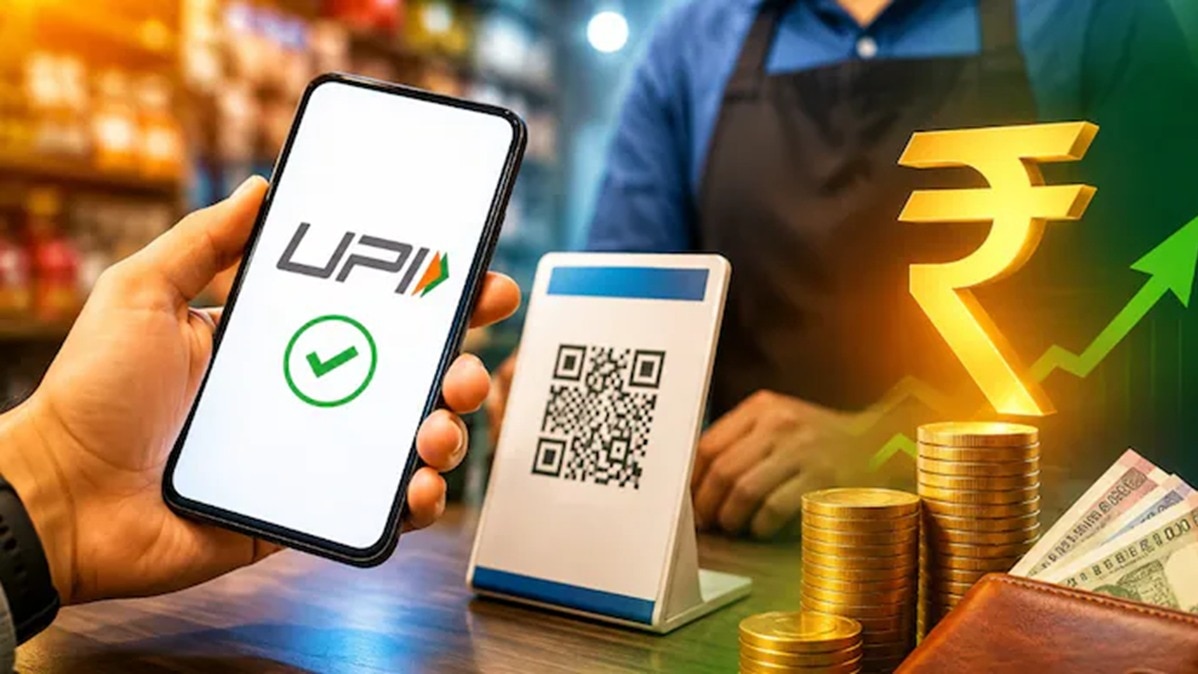
India is contemplating a significant shift in its Unified Payments Interface (UPI) system, potentially introducing charges for certain transactions. The government has proposed a legal provision that could allow for the imposition of a Merchant Discount Rate (MDR) on some UPI transactions in the future. While no fees have been implemented yet, this move could pave the way for charging large businesses for their transactions. Currently, UPI payments are free for users, a feature that has contributed to its widespread adoption. The proposed change aims to create a revenue stream for the payment infrastructure, which has been operating without direct charges to merchants or consumers for these types of transactions. This potential policy adjustment could impact the cost dynamics for businesses and consumer behavior, though the exact details and implementation timeline remain undefined.
The proposed introduction of MDR on UPI transactions, particularly for those exceeding ₹2,000, represents a potential recalibration of the digital payments ecosystem in India. This move could aim to ensure the long-term financial sustainability of the UPI infrastructure by generating revenue from high-value transactions, thereby reducing the burden on public funds or the need for continuous government subsidy. However, such a policy shift may influence the cost-competitiveness of digital payments for merchants and could potentially affect consumer adoption rates if the charges are passed on. Policymakers will need to carefully balance the objective of revenue generation with the imperative of fostering continued growth in digital financial inclusion and the broader digital economy, considering the competitive landscape of payment methods and the potential for behavioral shifts among users and businesses.
AI-generated to prompt reflection — not editorial opinion, not advice, not a statement of fact. How this works.
