India Diverted Pakistan-Bound Indus River Water in 1948, Nehru Deemed it Inhumane
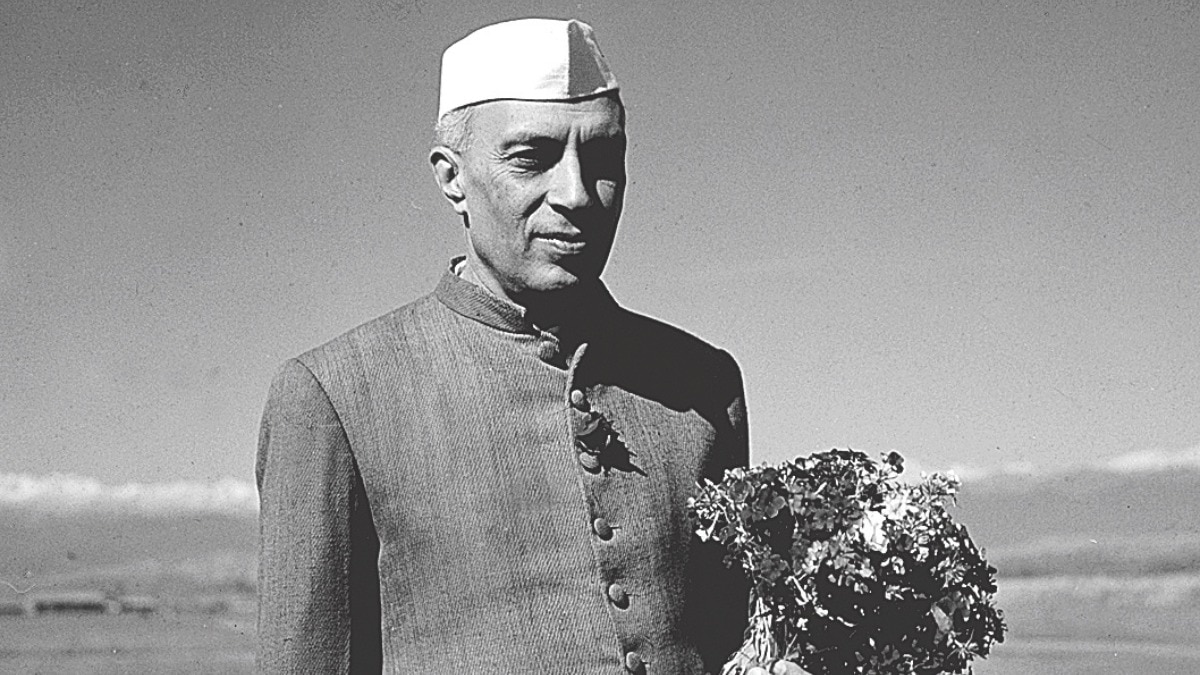
In 1948, the Congress government in East Punjab took a significant action by halting the flow of water into Pakistan's canals. This disruption lasted for approximately one month, causing severe water shortages and widespread distress in Pakistan. The situation escalated to the point where Pakistan's founder, Muhammad Ali Jinnah, felt compelled to engage in discussions. However, India's then-Prime Minister Jawaharlal Nehru held a different view on the matter. Nehru reportedly described the act of diverting the water as "inhumane." The incident highlights early post-partition tensions and water resource management disputes between the two newly formed nations.
This historical event underscores the complex geopolitical challenges surrounding shared water resources, particularly in the immediate aftermath of partition. The decision by East Punjab to divert water, while potentially driven by strategic or domestic political considerations, directly impacted the populace of Pakistan, leading to a humanitarian crisis. Prime Minister Nehru's reported reaction suggests an early recognition of the ethical implications and potential for severe cross-border repercussions. This incident foreshadows the ongoing need for robust international water-sharing agreements and dispute resolution mechanisms to prevent such resource-based conflicts from escalating, especially in a region prone to water scarcity and with significant agricultural dependence on river systems.
AI-generated to prompt reflection — not editorial opinion, not advice, not a statement of fact. How this works.