India Expands Domestic Oil Exploration Amid Geopolitical Energy Concerns
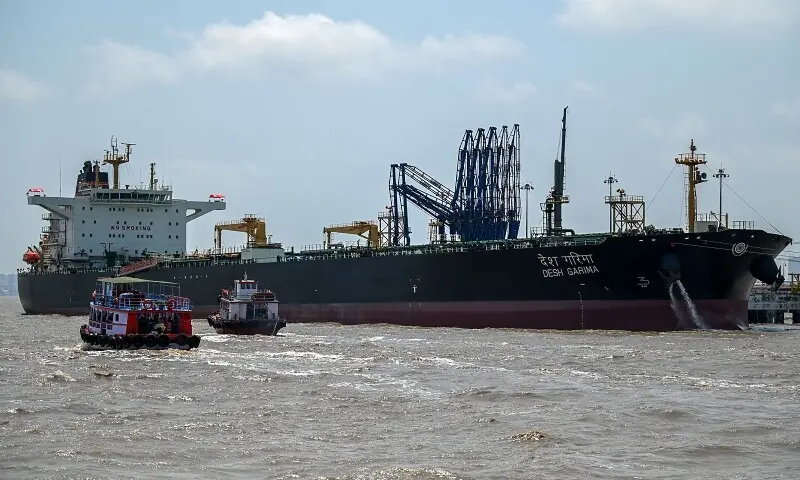
India is intensifying its domestic crude oil exploration efforts in response to significant energy supply disruptions experienced during the recent Middle East conflict. Minister of Petroleum and Natural Gas Hardeep Singh Puri announced plans to tender approximately 250,000 square kilometers of unexplored territory for exploration. This initiative aims to bolster India's energy security, as the nation is heavily reliant on imports, ranking as the world's third-largest oil importer and second-largest buyer of liquefied petroleum gas. Although shipping through the Strait of Hormuz has resumed, the recent crisis has underscored the vulnerability of its supply chain. India's domestic crude production currently meets only about 10% of its needs, a stark contrast to its peak production levels in 2011. To navigate past shortages, India diversified its suppliers, increasing its sources from 27 to 41 countries, including significant purchases from Russia and African nations, a move that has drawn criticism from the US and Europe. Minister Puri defended this pragmatic approach, prioritizing national energy requirements over ideological stances. The government is particularly optimistic about potential reserves in the Andaman Basin, an area described as an "ocean of energy opportunities," and is collaborating with international experts like Petrobras, TotalEnergies, BP, Shell, and ExxonMobil for deepwater exploration. This push for energy independence, dubbed "Samudra Manthan" or "churning of the ocean," was launched by Prime Minister Narendra Modi in August 2025, predating the recent Middle East conflict. Despite growing domestic demand and a commitment to carbon neutrality by 2070, India is investing heavily in exploration, with a $10 billion program targeting one million kilometers of unexplored areas, reflecting an "exceptionally bullish" outlook on future domestic production.
The Indian government's accelerated focus on domestic oil exploration, catalyzed by recent geopolitical energy shocks, highlights a strategic pivot towards energy self-reliance. This initiative, backed by substantial financial investment and international partnerships, seeks to mitigate the risks associated with global supply chain vulnerabilities and price volatility. However, the expansion of fossil fuel exploration runs counter to India's stated commitment to carbon neutrality by 2070 and its simultaneous investments in renewable and nuclear energy. This presents a systemic contradiction between immediate energy security needs and long-term climate goals. The government's pragmatic approach to sourcing energy, prioritizing national interest over geopolitical alignment, underscores the complex trade-offs faced by developing economies in balancing growth imperatives with environmental responsibilities in an increasingly uncertain global energy landscape.
AI-generated to prompt reflection — not editorial opinion, not advice, not a statement of fact. How this works.