India Forms Task Force for Exam System Reform After Minister's Resignation
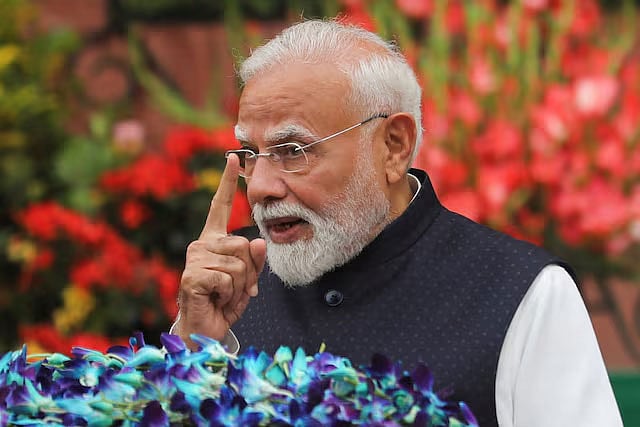
Following the resignation of Union Education Minister Dharmendra Pradhan amidst weeks of protests, Indian Prime Minister Narendra Modi announced the formation of a high-powered task force to reform the country's examination system. The task force will be led by Nandan Nilekani, co-founder of Infosys and a key architect of India's Aadhaar digital identity system. Prime Minister Modi stated in a video message on Instagram and X that India's examination system must be reliable, transparent, and leverage technology to its fullest extent. This initiative aims for comprehensive reform, considering future needs beyond addressing the current crisis. The government also plans to introduce a bill in Parliament proposing stricter penalties, including fines up to 100 million rupees, for those found guilty of question paper leaks. The newly formed task force includes prominent experts from various fields, such as former ISRO Chairman S. Somanath, former IB Director Tapan Deka, IIT Madras Director V. Kamakoti, former Education Secretary Anita Karwal, and supply chain management expert Amrit Lal Meena. These specialists are expected to recommend technology-driven reforms and structural changes to the National Testing Agency's examination methods. The announcement comes after the new political party, the Cockroach Janata Party (CJP), called off its protests, having secured government agreement on exam reforms, withdrawal of cases against protesters, and compensation for families of students who died by suicide following paper leaks. This marks the first instance of a Union Minister resigning under pressure from public protests during the NDA government's tenure. Pralhad Joshi has been appointed as the new Union Education Minister, taking additional charge alongside his existing role as Minister for Consumer Affairs, Food and Public Distribution.
The Indian government's response to widespread public discontent over examination integrity, marked by ministerial resignation and the formation of a high-level task force, signals a critical juncture for educational governance. The emphasis on technological integration and transparency in examinations reflects a broader national digitalization agenda. However, the effectiveness of such reforms will hinge on the task force's ability to address systemic issues beyond mere procedural adjustments, including the potential for technology to exacerbate existing inequalities. The inclusion of diverse experts suggests a multi-faceted approach, but the ultimate success will depend on robust implementation and accountability mechanisms, ensuring that future reforms genuinely enhance fairness and accessibility in education for all citizens.
AI-generated to prompt reflection — not editorial opinion, not advice, not a statement of fact. How this works.