India Holds Firm in US Trade Talks, Demanding Better Terms
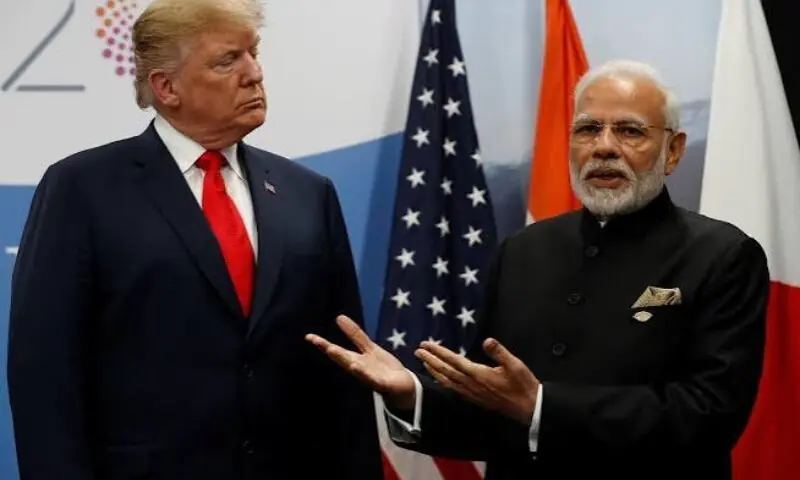
India has rejected a swift trade agreement with the United States, opting to hold out for more favorable terms. This decision comes as Prime Minister Narendra Modi gains confidence from new international trading partners, reduced economic risks, and domestic political successes. Despite months of negotiations, a limited trade deal failed to materialize during a recent visit by US Trade Representative Jamieson Greer to New Delhi. A key sticking point was the US's unwillingness to guarantee India preferential tariff treatment over competitors like China and to refrain from imposing new levies post-agreement. India's Trade Minister Piyush Goyal emphasized that the deal would only proceed if such advantages were secured, signaling a firm stance despite the potential for increased US tariffs on Indian exports. The US, meanwhile, had hoped for quick concessions from India, particularly as President Trump prepared to implement new tariffs. India's assertiveness is bolstered by rising exports, which increased by approximately 15% in April-June, and new trade agreements with the UK and the EU. Goldman Sachs has improved its growth forecast for India, citing easing oil prices and a stronger economic outlook. India is also banking on potential legal or political challenges to US trade measures, with some US state attorneys general already objecting to proposed tariffs. Domestic political considerations, including the protection of farmers and small businesses, also influence New Delhi's negotiating strategy, suggesting a strategic delay rather than a rushed agreement.
India's strategic patience in trade negotiations with the US reflects a calculated assessment of shifting global economic and political dynamics. By leveraging its growing export performance, diversified trade relationships, and a more robust domestic economic outlook, New Delhi appears to be seeking to maximize its leverage. This approach highlights a broader trend where emerging economies are increasingly able to assert their interests against established trade partners, particularly in an era of evolving trade protectionism and geopolitical realignments. The situation underscores the complex interplay of national economic strategies, domestic political imperatives, and international trade governance, suggesting that future trade agreements will likely require more nuanced and mutually beneficial frameworks to achieve lasting stability.
AI-generated to prompt reflection — not editorial opinion, not advice, not a statement of fact. How this works.