India Launches First Hydrogen-Powered Passenger Train
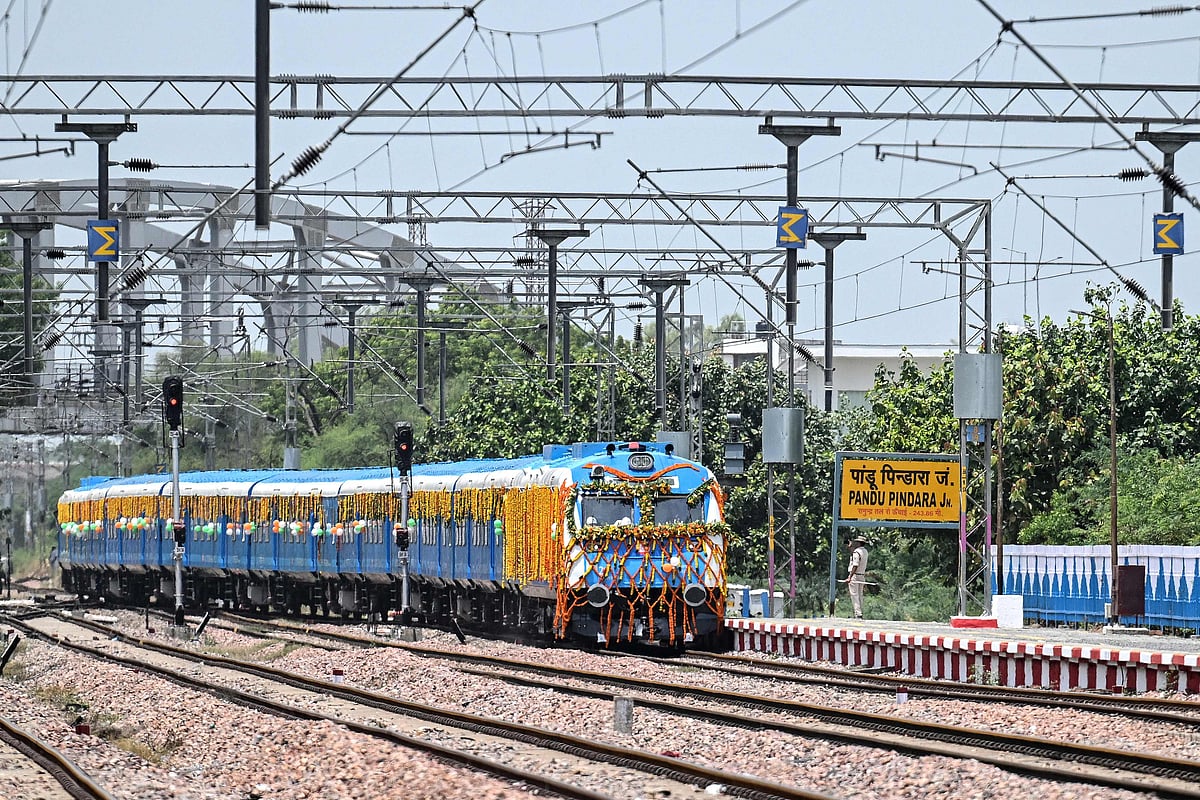
India has inaugurated its first passenger train powered by hydrogen fuel cells. This marks a significant step towards sustainable transportation in the country. The environmentally friendly train produces almost no carbon emissions, releasing only water vapor as a byproduct. This initiative aims to reduce reliance on diesel and electricity for train operations. The introduction of hydrogen technology is expected to contribute to India's climate goals by lowering the carbon footprint of its vast railway network. This development positions India among a select group of countries exploring hydrogen as a clean energy source for rail transport. The successful operation of this train could pave the way for wider adoption of similar technologies across the Indian Railways.
The introduction of hydrogen-powered trains in India represents a strategic pivot towards decarbonizing the transportation sector, particularly its extensive railway network. This move aligns with global efforts to transition away from fossil fuels and mitigate climate change. By utilizing hydrogen fuel cells, India aims to reduce its carbon emissions and air pollution, offering a sustainable alternative to diesel and conventional electric trains. The system's reliance on water vapor as the primary emission highlights its environmental advantages. This development could foster innovation in green energy technologies and create new economic opportunities in the hydrogen value chain. However, challenges related to hydrogen production, storage, and infrastructure development will need to be addressed for widespread adoption.
AI-generated to prompt reflection — not editorial opinion, not advice, not a statement of fact. How this works.