India Launches First Hydrogen Train on Jind-Sonipat Route
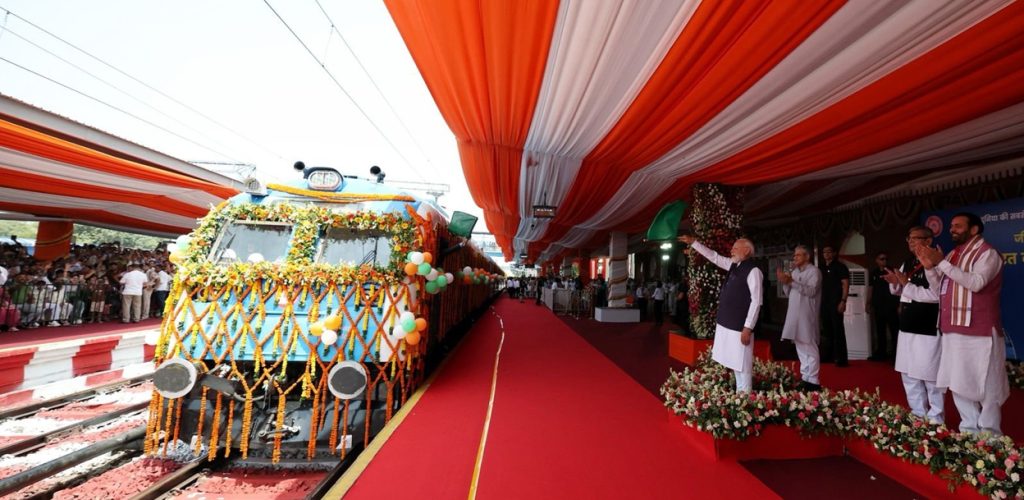
India has successfully launched its first hydrogen-powered train, marking a significant step in its sustainable transportation initiatives. The train will operate on the Jind-Sonipat route, covering a distance of 90 kilometers. India claims this new train is one of the world's most powerful hydrogen trains, boasting a capacity of 3,200 horsepower. This development is part of India's broader strategy to explore and implement cleaner fuel alternatives in its extensive railway network. The introduction of hydrogen trains is expected to reduce reliance on fossil fuels and decrease carbon emissions from the rail sector. This initiative aligns with global efforts to combat climate change and promote eco-friendly transportation solutions. The successful operation of this train could pave the way for wider adoption of hydrogen technology across India's railways.
The introduction of India's first hydrogen train signifies a strategic pivot towards decarbonizing its vast railway infrastructure, a sector heavily reliant on fossil fuels. This move aligns with global trends in adopting cleaner energy sources for transportation, aiming to reduce greenhouse gas emissions and enhance energy security. The train's claimed 3,200 horsepower capacity suggests a focus on performance alongside environmental benefits. While this technological advancement offers a promising alternative, its long-term viability will depend on the development of a robust hydrogen production and refueling infrastructure, the cost-effectiveness of hydrogen fuel compared to conventional options, and the scalability of the technology across the entire Indian railway network. Future considerations should include the lifecycle emissions associated with hydrogen production and the potential for integrating renewable energy sources into this process.
AI-generated to prompt reflection — not editorial opinion, not advice, not a statement of fact. How this works.