India May Implement 'No Insurance, No Fuel' Policy for Vehicles
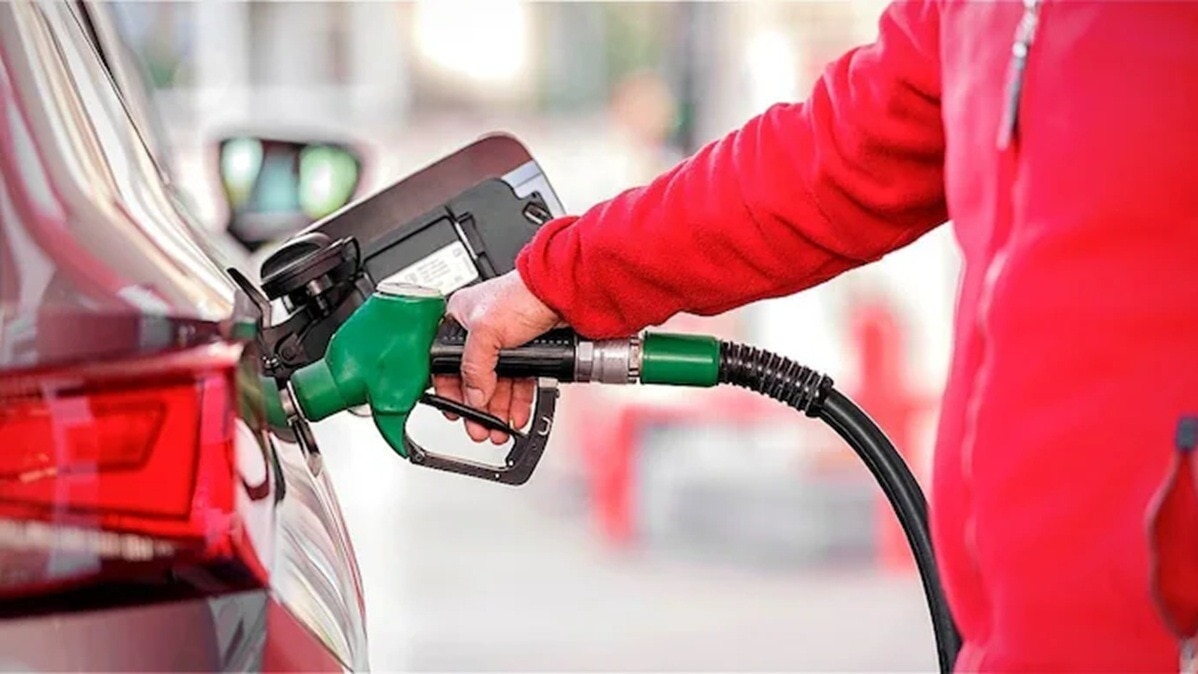
Driving a vehicle without insurance in India is set to become more challenging. The Supreme Court has proposed a pilot project based on a 'no insurance, no fuel' model. If this proposal is implemented, petrol pumps will be prohibited from dispensing fuel to vehicles lacking valid insurance. This initiative aims to increase insurance compliance on Indian roads. Furthermore, plans are underway to automate enforcement against uninsured vehicles using Automatic Number Plate Recognition (ANPR) cameras and digital systems. This integrated approach seeks to streamline the process of identifying and penalizing vehicles operating without mandatory insurance coverage. The move is expected to significantly enhance road safety and financial protection for all road users.
The proposed 'no insurance, no fuel' policy represents a systemic intervention to address the persistent issue of uninsured vehicles. By linking fuel access to insurance status, the policy leverages a critical daily necessity as a compliance mechanism. This approach could significantly reduce the number of uninsured vehicles, thereby mitigating financial risks for accident victims and potentially lowering insurance premiums over time due to a broader risk pool. However, the implementation will require robust technological infrastructure for real-time verification at fuel stations and careful consideration of potential disruptions to fuel supply chains. Future iterations might explore tiered enforcement or grace periods to balance compliance with public convenience, while ensuring the ANPR and digital systems are secure and privacy-preserving.
AI-generated to prompt reflection — not editorial opinion, not advice, not a statement of fact. How this works.
