India May Keep Anti-Dumping Duties on Bangladeshi Jute Products, Hurting Exporters
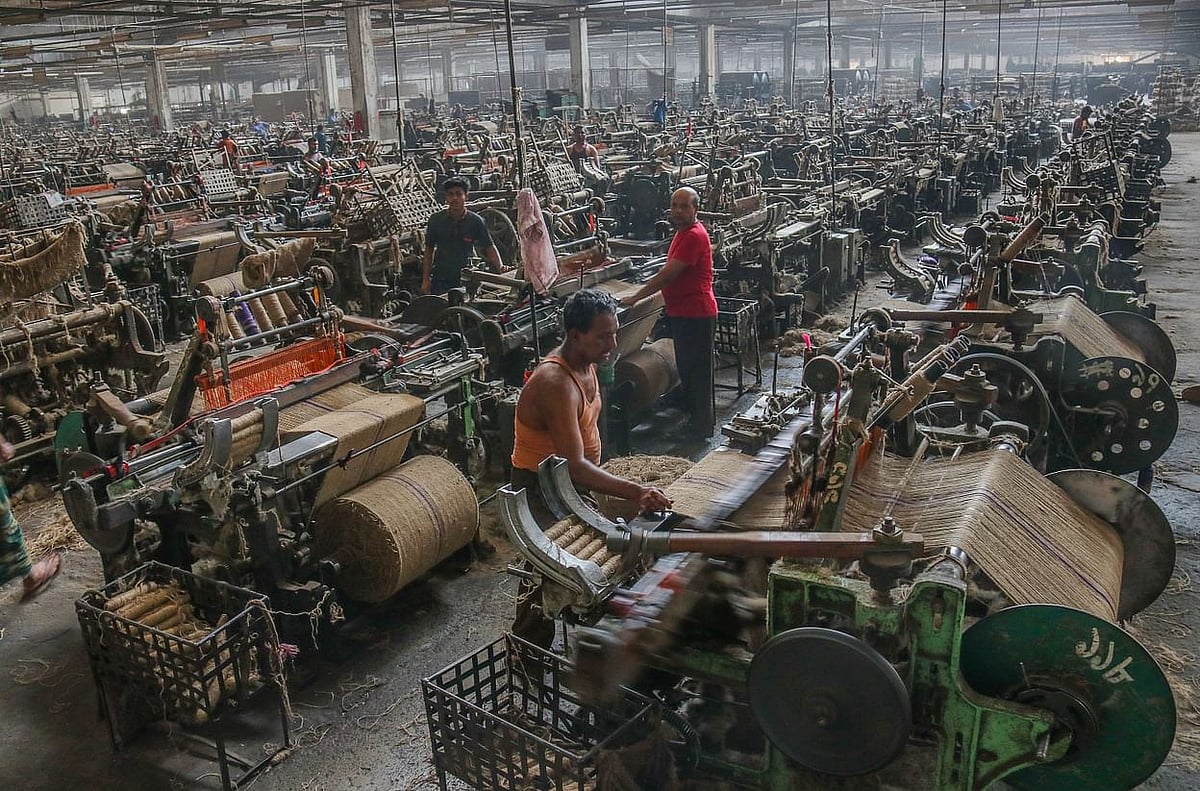
India is considering maintaining existing anti-dumping duties and potentially imposing new ones on jute and jute-derived products from Bangladesh, creating significant uncertainty for exporters. The Directorate General of Trade Remedies (DGTR), under India's Ministry of Commerce and Industry, released a 98-page report on June 25th recommending new duty rates for various jute products, including yarn, Hessian cloth, and sacking cloth, imported from Bangladesh and Nepal. This move could impact not only the 55 exporting firms previously under anti-dumping duties but also potentially impose new duties on other Bangladeshi companies. The final decision rests with the Indian central government through a formal notification.
Bangladeshi Commerce and Textiles and Jute Minister Khondaker Abdul Momen expressed disbelief that Bangladeshi products are being sold at unfairly low prices in India, given that raw jute exports are banned. He stated that Bangladesh will engage in discussions with the Indian government to request that no measures be taken that could hinder bilateral trade. Business leaders are concerned about the lack of proactive measures from their ministries and highlight Bangladesh's deficiency in specialized desks to handle such trade disputes, a gap they believe India is exploiting. The potential impact of these new duties could lead to increased costs for exporters, reduced competitiveness in the Indian market, and necessitate a shift to alternative markets, affecting jute mills, farmers, employment, and foreign exchange earnings in Bangladesh.
India's proposed anti-dumping duties on Bangladeshi jute products highlight the complex interplay between domestic industrial protection and international trade dynamics. While India cites concerns over the Indian jute industry being harmed by low-priced imports, the DGTR's recommendation to maintain and adjust duties, rather than remove them, suggests a continued strategic interest in safeguarding its own sector. The significant disparity in recommended duty rates between previously investigated firms and those outside the investigation underscores potential systemic advantages for established players and disadvantages for smaller or newer entrants. Bangladesh's recourse to diplomatic discussions and potential WTO dispute settlement, as seen in a past battery case, indicates a strategic approach to leverage international trade norms when domestic negotiations falter. The situation prompts consideration of how developing nations can build robust institutional capacity to navigate complex trade remedy investigations and ensure fair market access, particularly in sectors crucial for employment and foreign exchange earnings.
AI-generated to prompt reflection — not editorial opinion, not advice, not a statement of fact. How this works.