India Navigates US-China Trade Tensions: Modi Faces Farmer Protests
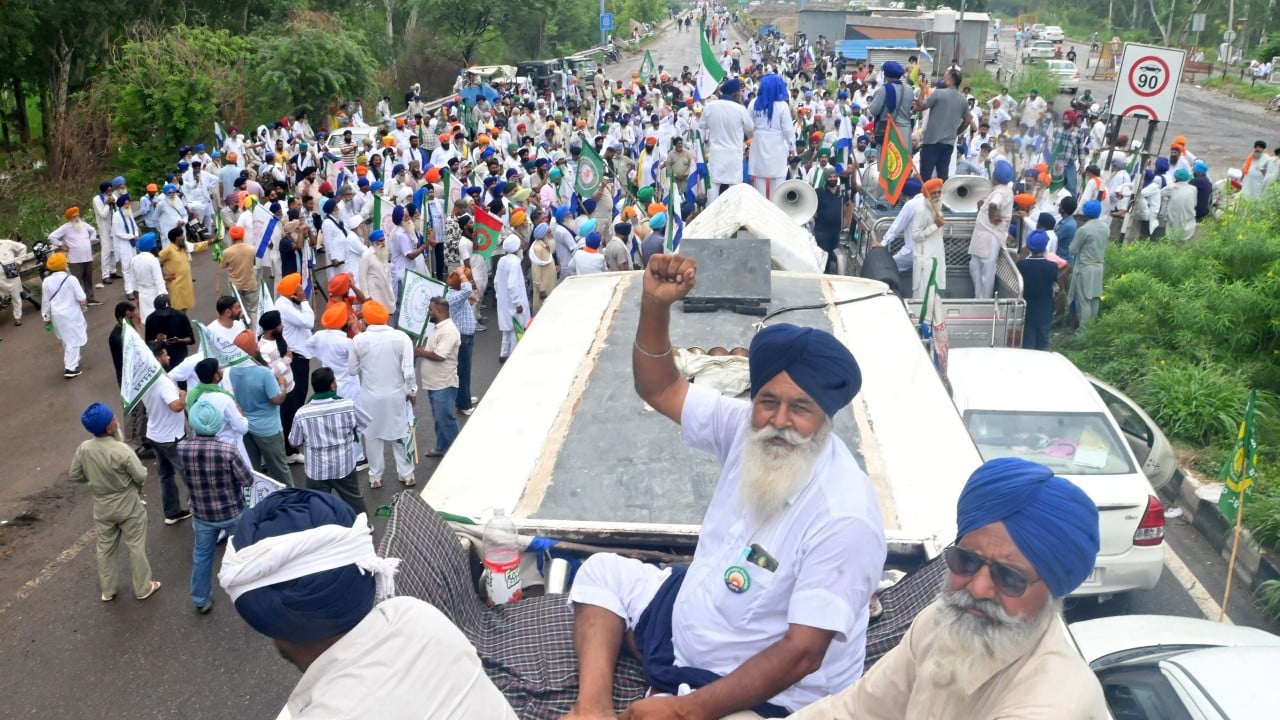
Indian Prime Minister Narendra Modi is confronting significant domestic opposition regarding a potential trade agreement with the United States. This deal aims to position India as a key recipient of U.S. agricultural exports that have been impacted by the ongoing trade dispute between the U.S. and China. The potential agreement has ignited concerns about India's strategic alignment with Washington in its dealings with Beijing. On Tuesday, thousands of farmers from the northern state of Punjab organized a march towards Delhi. Their protest specifically targeted the proposed trade arrangement, which they believe could negatively affect their livelihoods. The farmers' demonstration highlights the complex geopolitical and economic pressures India faces as it balances its relationships with both superpowers.
India's strategic positioning between the U.S. and China presents a complex policy challenge. The government must balance potential economic benefits from U.S. trade agreements against domestic agricultural sector concerns and broader geopolitical considerations. Farmers' protests indicate that trade policies, especially those impacting food security and rural economies, can become significant domestic political issues. As global trade dynamics shift due to U.S.-China tensions, India's decision-making will be scrutinized for its long-term implications on its economic sovereignty and strategic autonomy. Future policy will likely involve intricate negotiations to mitigate domestic dissent while pursuing international economic opportunities.
AI-generated to prompt reflection — not editorial opinion, not advice, not a statement of fact. How this works.