India: Opposition Demands Education Minister's Resignation Amidst Protests
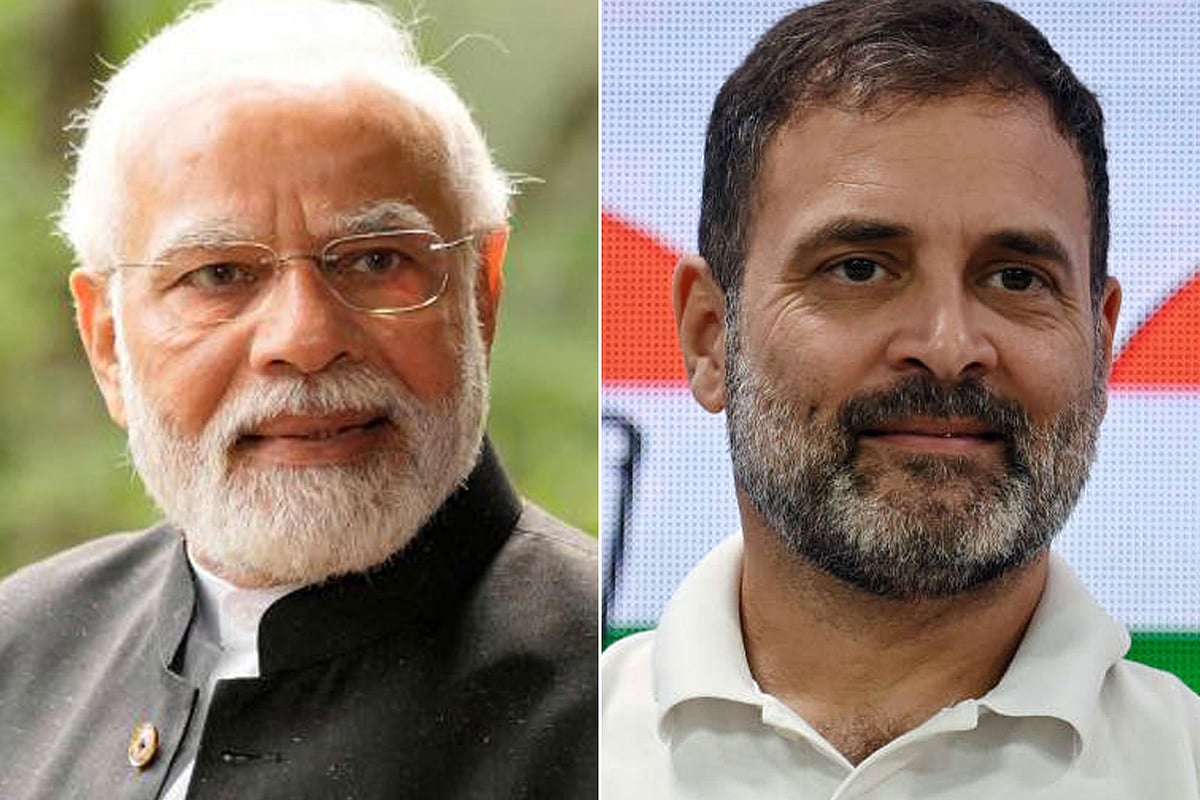
Opposition parties in India have rejected Prime Minister Modi's assurances regarding a current issue, insisting that the Education Minister must resign. They have declared that no parliamentary discussions will take place on the matter unless the minister steps down. This stance has led to ongoing protests demanding the Education Minister's resignation. The opposition's firm position indicates a significant political standoff, with parliamentary proceedings potentially stalled until their demand is met. The public demonstrations highlight the intensity of the situation and the pressure being exerted on the government. Further developments are anticipated as the political deadlock continues.
The opposition's demand for the Education Minister's resignation, coupled with a parliamentary boycott, signals a strategic maneuver to exert maximum pressure on the government. This tactic leverages public sentiment and parliamentary procedure to force concessions. The effectiveness of this strategy will depend on the duration of the opposition's resolve and the government's willingness to engage or dismiss the demands. In the broader context of governance, such standoffs can highlight accountability mechanisms, but also risk paralyzing legislative functions, potentially impacting policy implementation and public trust in democratic processes. The situation warrants observation for shifts in political dynamics and potential resolutions that balance accountability with legislative efficiency.
AI-generated to prompt reflection — not editorial opinion, not advice, not a statement of fact. How this works.