India Reels from Monsoon Mayhem: Floods, Landslides Hit Multiple States
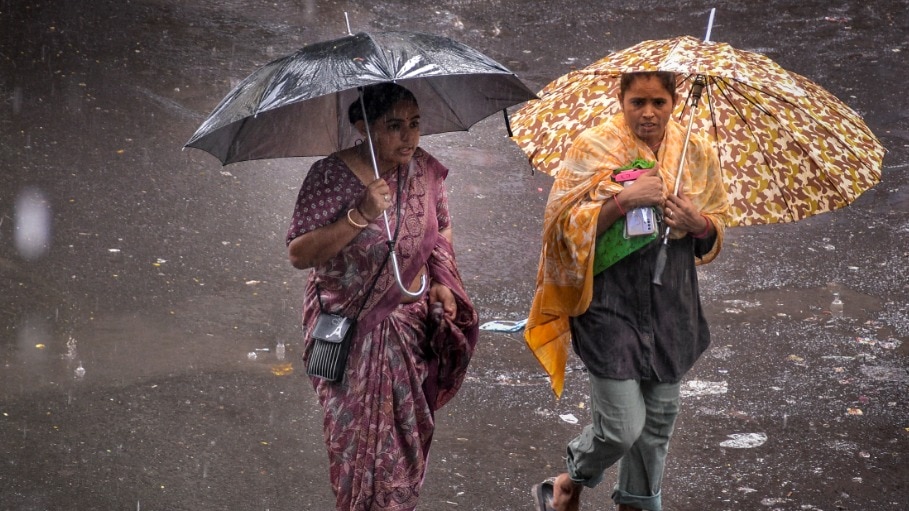
Monsoon rains have triggered severe flooding and landslides across several Indian states, causing widespread disruption. The regions of Maharashtra, Himachal Pradesh, Jammu and Kashmir, and Odisha are experiencing the most significant impacts. In contrast, Delhi is grappling with intense humidity due to a lack of rainfall, making the weather feel as hot as 50 degrees Celsius and exacerbating public discomfort. The monsoon's erratic behavior highlights the vulnerability of various regions to extreme weather events. Authorities are working to manage the crisis and provide relief to affected populations. The situation underscores the need for robust disaster preparedness and climate adaptation strategies across the country.
The monsoon's impact across India demonstrates the critical interplay between climate patterns and infrastructure resilience. While heavy rainfall in some areas leads to immediate natural disasters like floods and landslides, the lack of precipitation in others, such as Delhi, creates distinct challenges related to heat and humidity. This disparity underscores the complex and varied effects of climate change on different regions within a single country. Future planning must account for these diverse impacts, focusing on adaptable infrastructure, effective water management systems, and early warning mechanisms to mitigate risks associated with both extreme rainfall and drought conditions. Addressing these challenges will require coordinated efforts between national and regional governments, alongside investments in climate-resilient development.
AI-generated to prompt reflection — not editorial opinion, not advice, not a statement of fact. How this works.