India Rejects Education Minister's Resignation Amid NEET Exam Scandal
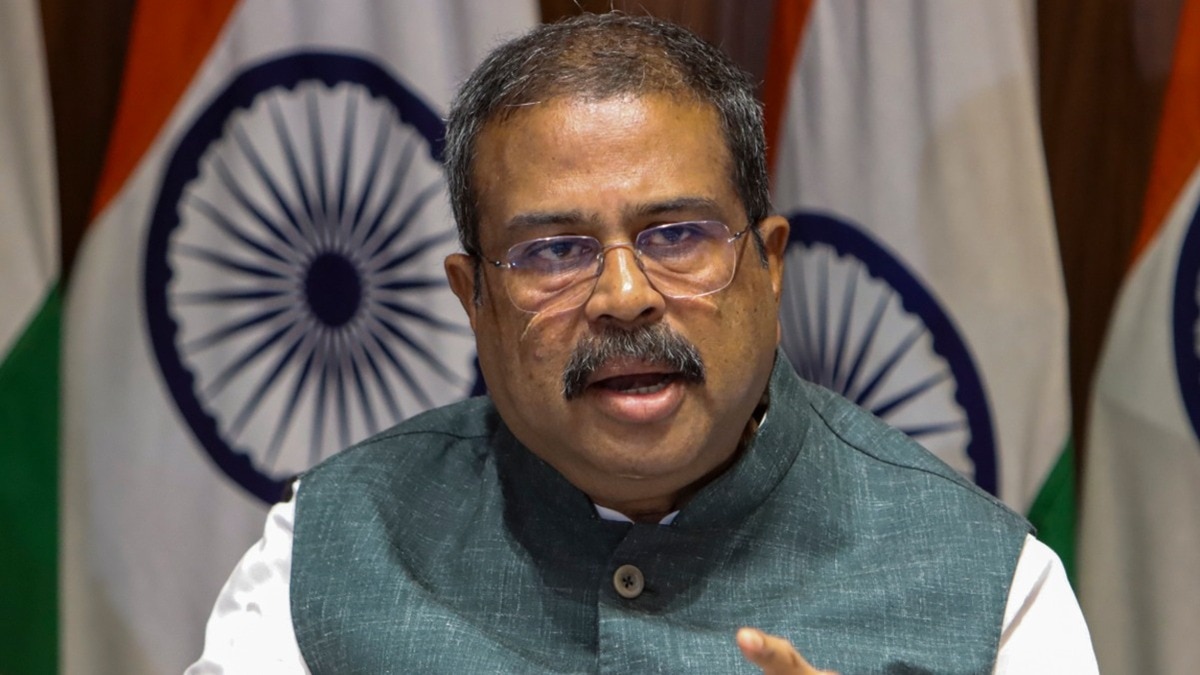
The Indian government has rejected calls for the resignation of Union Education Minister Dharmendra Pradhan following the NEET paper leak controversy. Government sources stated that while resignation might be the easiest option, the administration is committed to improving the examination system. The government believes that Pradhan stepping down would not resolve the underlying issues plaguing the exam process. Instead, the focus will be on implementing reforms to ensure the integrity and fairness of future examinations. This decision reflects the administration's stance on addressing the crisis through systemic improvements rather than personnel changes. The government aims to restore public trust in the national medical entrance test.
The government's decision to retain Minister Dharmendra Pradhan amidst the NEET exam scandal highlights a strategic focus on systemic reform over immediate accountability through resignation. This approach suggests an incentive structure prioritizing the perceived stability of continuing current leadership while addressing operational failures. The underlying challenge lies in balancing the need for public confidence, often sought through visible accountability, with the complex task of overhauling examination processes. Future governance models may need to integrate more robust pre-emptive checks and balances within examination bodies to mitigate such crises, rather than relying solely on post-scandal remedial actions or leadership changes. The long-term success will hinge on the demonstrable effectiveness of the promised reforms in preventing future leaks and ensuring equitable access to higher education.
AI-generated to prompt reflection — not editorial opinion, not advice, not a statement of fact. How this works.