India Restricts Over-the-Counter Sales of High-Alcohol Content Oral Medicines
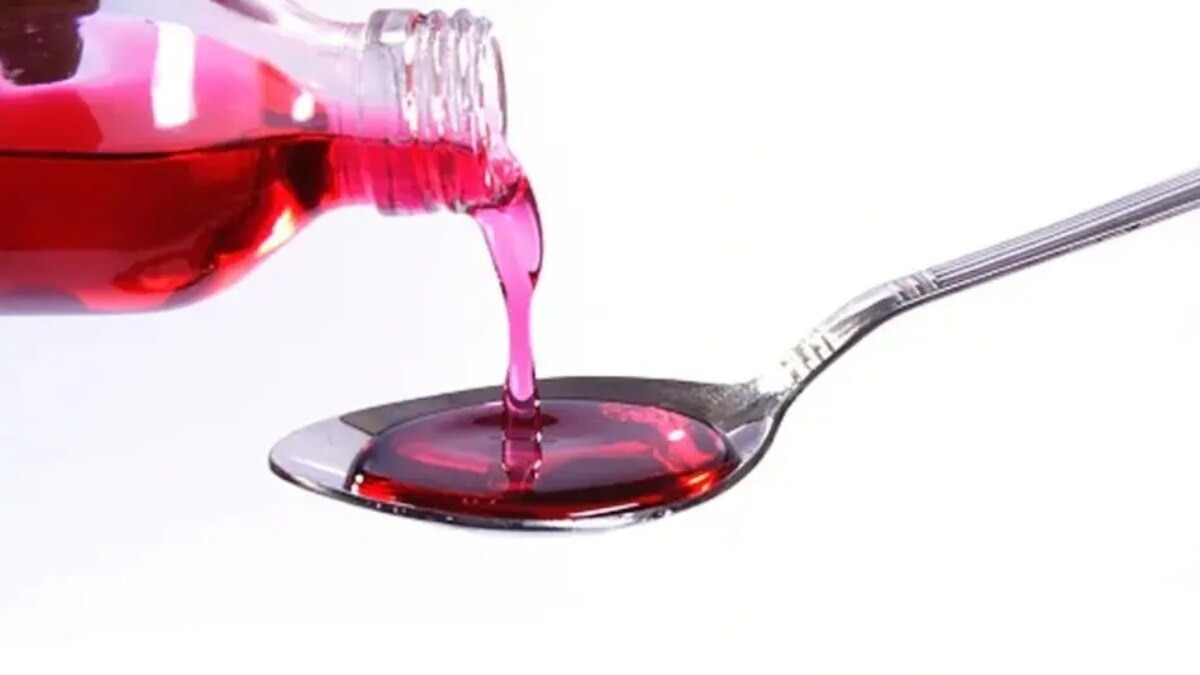
The Indian central government has amended the Drugs Rules, 1945, to reclassify oral medications containing more than 12% ethyl alcohol and in volumes larger than 30ml. These drugs will now be placed in the 'Schedule H1' category. Consequently, they will no longer be available for purchase without a doctor's prescription. Pharmacies and retailers stocking these medications will be required to maintain detailed records of their sale. This regulatory change aims to control the misuse of certain oral medicines that have a significant alcohol content.
This regulatory shift by the Indian government introduces a stricter control mechanism for oral medications with substantial ethyl alcohol content. By moving these drugs to Schedule H1, the government is likely addressing concerns about potential diversion and misuse for non-medicinal purposes, given the significant alcohol concentration. This move necessitates a more robust prescription and record-keeping infrastructure within the pharmaceutical supply chain. It highlights a growing global trend of regulators scrutinizing the composition and accessibility of medicines, balancing public health objectives with the practicalities of pharmaceutical distribution and patient access. The long-term impact will depend on the effectiveness of enforcement and the pharmaceutical industry's adaptation to these new dispensing requirements.
AI-generated to prompt reflection — not editorial opinion, not advice, not a statement of fact. How this works.