India's 1991 Foreign Exchange Crisis: A Historic Decision
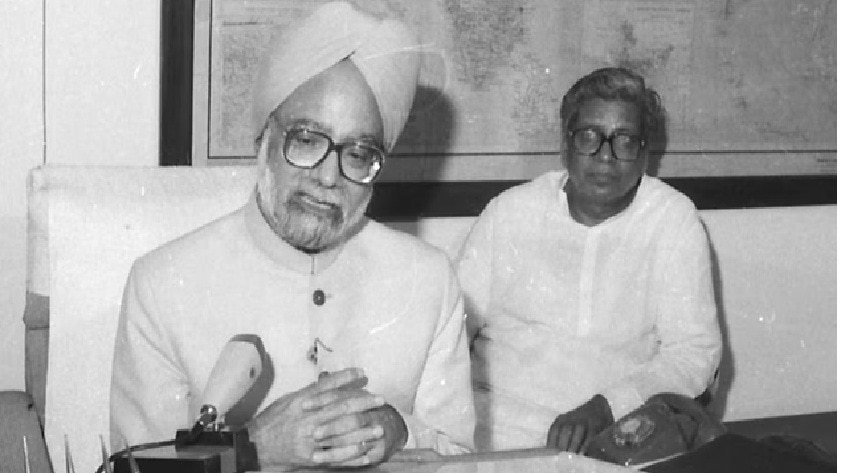
In 1991, India faced a severe foreign exchange crisis, with its reserves dwindling to a point where they could cover only two weeks of imports. The nation was running out of funds to purchase essential goods, particularly crude oil. This precarious economic situation necessitated significant policy changes to stabilize the country's finances. The government was compelled to take drastic measures to avert a complete economic collapse. The crisis highlighted the vulnerabilities in India's economic policies at the time. It was a pivotal moment that led to major economic reforms. The decisions made in response to this crisis shaped India's economic trajectory for decades to come. The event serves as a crucial reminder of the importance of maintaining adequate foreign exchange reserves.
The 1991 foreign exchange crisis in India underscores the critical importance of robust foreign currency reserves for national economic stability. When reserves are insufficient, a country becomes highly vulnerable to external shocks and price fluctuations, particularly for essential imports like energy. This situation can trigger a cascade of economic problems, including inflation and balance of payments deficits. The necessity for drastic policy shifts in such scenarios often involves liberalization and integration into the global economy, which can offer long-term benefits but also introduce new risks. Navigating these trade-offs requires careful economic governance and strategic planning to ensure resilience against future volatility in the coming AI era.
AI-generated to prompt reflection — not editorial opinion, not advice, not a statement of fact. How this works.