India's Bowling Coach: Samson and Sharma Retain Spots Despite Young Talent
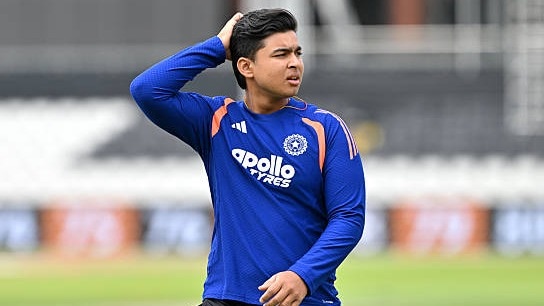
Team India's bowling coach, Morne Morkel, has stated that 15-year-old Vaibhav Suryavanshi will not immediately replace Sanju Samson and Abhishek Sharma in the lineup. Morkel emphasized the importance of maintaining trust in the players who contributed to winning the World Cup. This decision indicates a focus on player stability and rewarding past performance, even with the emergence of promising young talent. The team management appears to be prioritizing continuity and experience over immediate changes based on the debut of a new player. Suryavanshi's potential is acknowledged, but his integration into the playing XI will likely be managed strategically. The coach's comments suggest a long-term view on team composition and player development. This approach aims to foster a stable environment for the established players while assessing the optimal time for Suryavanshi's introduction.
The decision to retain established players like Sanju Samson and Abhishek Sharma, despite the potential of emerging talent like Vaibhav Suryavanshi, reflects a common strategic tension in sports team management. This approach prioritizes continuity and leverages the experience of World Cup-winning athletes, potentially bolstering team morale and reducing the pressure on younger players. However, it also raises questions about the long-term development pipeline and the potential for missed opportunities to integrate new talent. The team's governance structure must balance rewarding past successes with fostering future growth, ensuring that promising players are not overlooked indefinitely. This dynamic is increasingly relevant in the evolving landscape of professional sports, where rapid technological advancements and data analytics can influence player evaluation and selection.
AI-generated to prompt reflection — not editorial opinion, not advice, not a statement of fact. How this works.