India's Chief Justice Denies Refusing to List Police Brutality Plea, Calls Reports 'False'
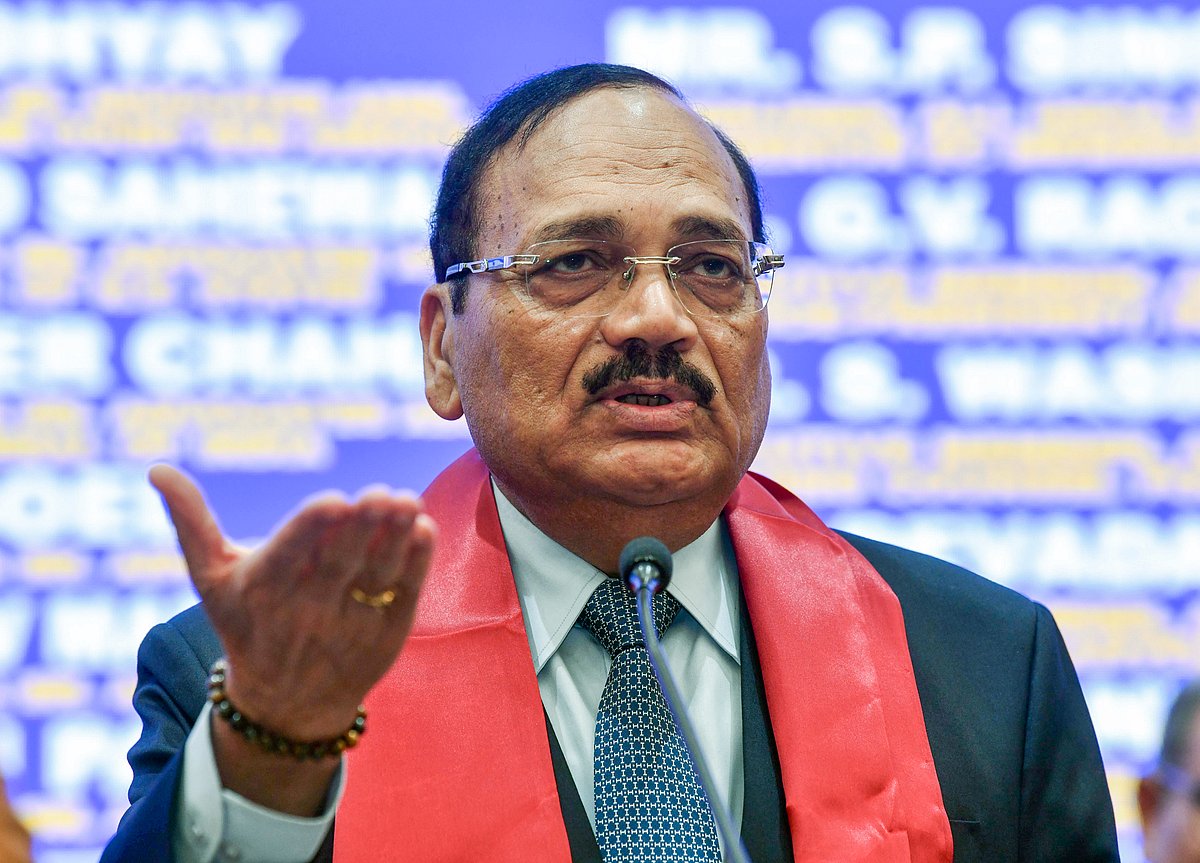
India's Chief Justice Surya Kant has refuted media reports claiming he refused to list a plea concerning alleged police brutality against student protestors. Speaking on July 24th, the Chief Justice stated that the news of his refusal to list the case was entirely false. He asserted that no formal writ petition had been filed in the Supreme Court regarding the matter. The Chief Justice explained that what was submitted was merely a memorandum, not a writ petition, and therefore could not be considered for listing. He criticized the media for what he termed 'irresponsible and reckless' reporting, accusing them of spreading falsehoods without verifying facts. He emphasized that as of Saturday morning, no documents had been formally submitted to the court. This clarification comes after an incident on July 22nd where protestors marching towards Parliament were allegedly met with excessive force by police, including lathi charges, tear gas, and pellet guns. An advocate, Narendra Mishra, had reportedly presented a plea challenging this police action, to which the Chief Justice had previously responded by stating he had no time to watch videos of the alleged brutality. The Chief Justice's earlier remarks in May, comparing some unemployed youth to 'cockroaches,' had also drawn significant criticism and led to the formation of a satirical group called the Cockroach Janata Party (CJP).
The Chief Justice's statements highlight a critical tension between judicial accessibility and procedural formality. While the judiciary must adhere to established legal processes, the public perception of justice can be significantly impacted by the perceived willingness of judges to engage with serious allegations. The Chief Justice's strong denial and characterization of media reports as 'false' and 'reckless' serve to correct the record regarding the procedural status of the complaint. However, the underlying issue of alleged police brutality against protestors remains a significant concern. The situation underscores the importance of clear communication from the judiciary regarding case filings and the judicial process, especially when public sentiment is heightened. Moving forward, ensuring that all citizens, including protestors, feel their grievances can be heard through appropriate legal channels, regardless of initial procedural hurdles, will be crucial for maintaining public trust in the justice system.
AI-generated to prompt reflection — not editorial opinion, not advice, not a statement of fact. How this works.