India's "Cockroach Democracy": Protests Erupt Over Corruption and Judicial Insults
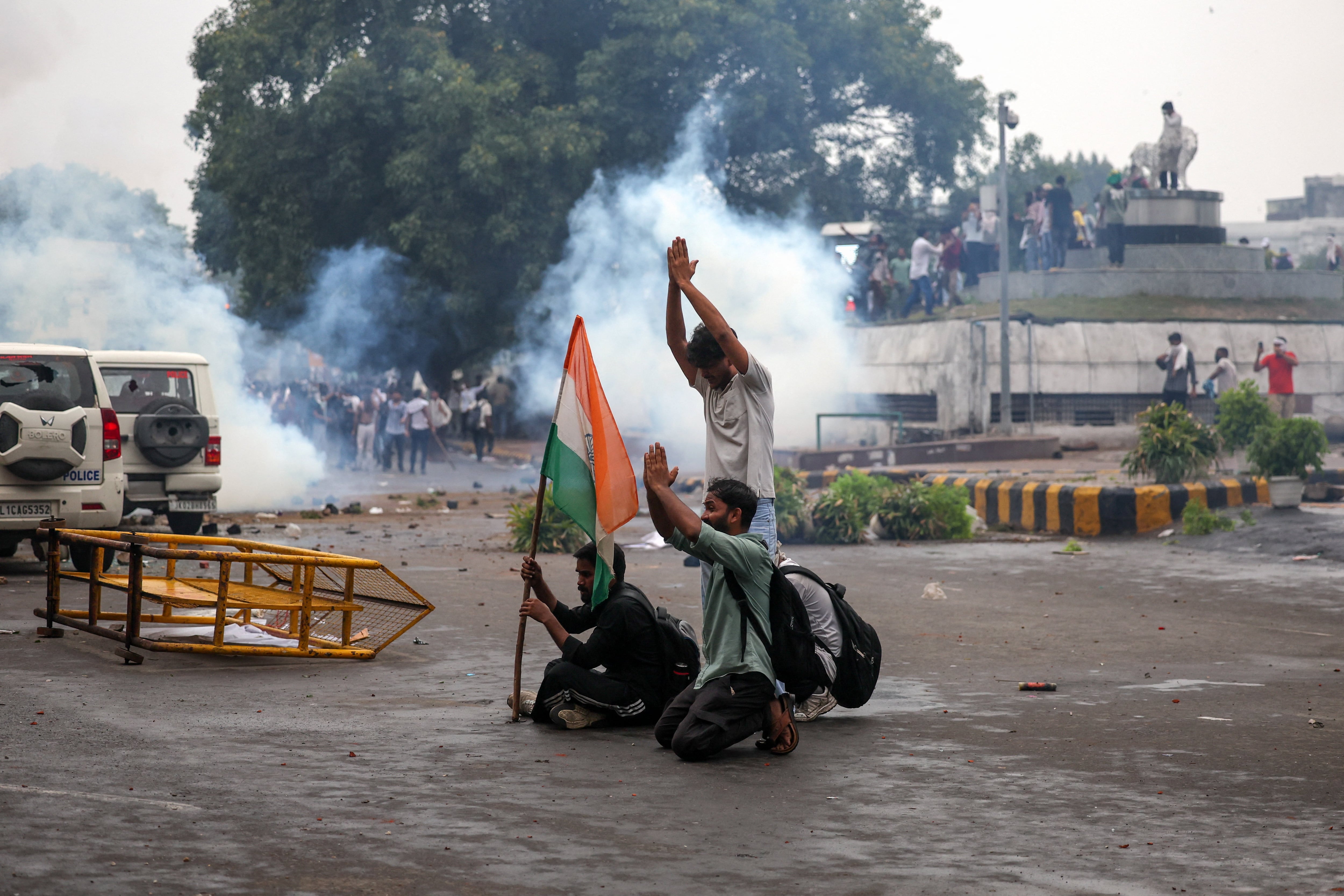
A significant student protest movement has emerged in India, challenging the government of Prime Minister Narendra Modi. The demonstrations were ignited by a Supreme Court judge's derogatory remark, referring to unemployed youth as "cockroaches." This insult was compounded by a major corruption scandal involving leaked medical school entrance exam papers. Thousands of students have taken to the streets, expressing their discontent with what they perceive as an increasingly undemocratic government. In response to the escalating protests and the core demands of the demonstrators, the Union Education Minister resigned on Saturday. This series of events highlights deep-seated issues of social inequality, governance, and accountability within the country.
The events in India underscore a critical tension between judicial pronouncements and public sentiment, particularly concerning youth unemployment and access to education. The judiciary's use of inflammatory language, while potentially reflecting frustration, risks alienating the very population it serves and can fuel public distrust. The corruption scandal, involving leaked medical entrance exams, points to systemic vulnerabilities in educational institutions and raises questions about meritocracy and equal opportunity. The government's response, including the Education Minister's resignation, indicates an acknowledgment of the severity of the crisis. Moving forward, India faces the challenge of rebuilding public faith by addressing both the perceived erosion of democratic norms and the deep-rooted issues of corruption and social mobility, ensuring that access to opportunities is equitable and transparent for all citizens in the coming decade.
AI-generated to prompt reflection — not editorial opinion, not advice, not a statement of fact. How this works.