India's 'Cockroach Movement' Supporters March Despite Police Ban in New Delhi
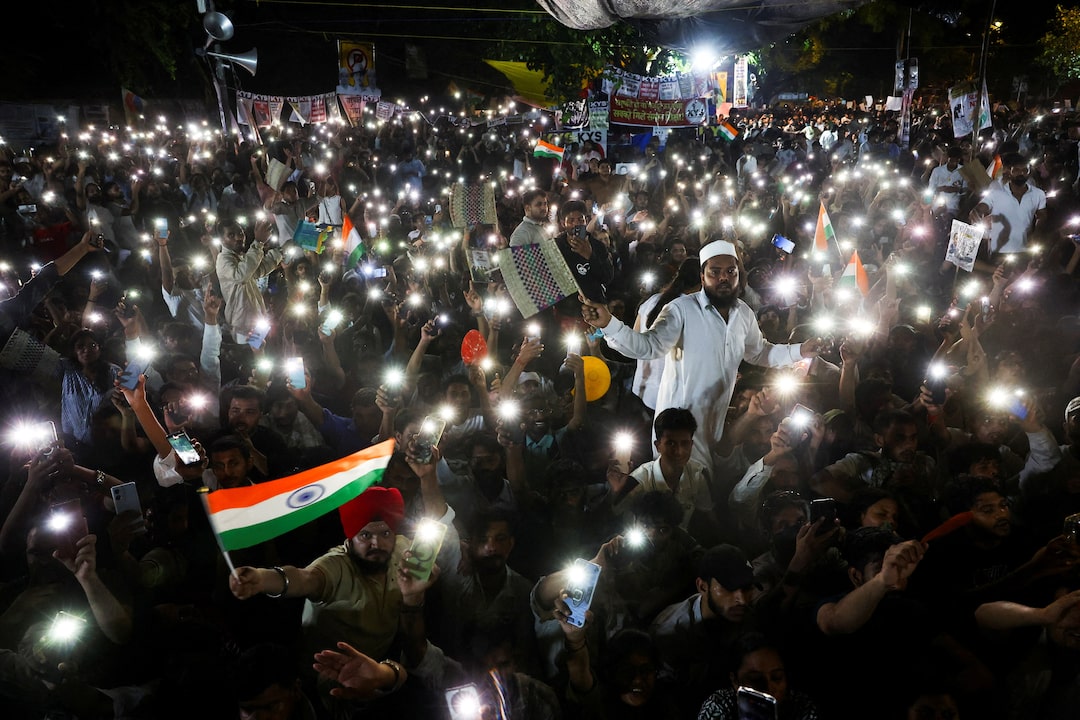
Hundreds of supporters of India's "Cockroach Movement" gathered in New Delhi on Tuesday to march towards the parliament, defying a police ban. The youth-led movement is intensifying its activities as activist Sonam Wangchuk has set conditions for ending his hunger strike. Wangchuk, who has been on a hunger strike for 20 days, stated that he would only end his fast if the government addresses the issues raised by the movement. The movement, inspired by Wangchuk's activism, advocates for the protection of Ladakh's environment and culture. The march in the capital is a significant escalation, drawing attention to the movement's demands amidst a heavy police presence and restrictions. The protesters aim to pressure the government to consider their concerns regarding regional development and environmental preservation. This demonstration highlights the growing youth engagement in political and social issues in India.
The "Cockroach Movement's" demonstration in New Delhi, proceeding despite a police ban, illustrates a common dynamic where civil society's pursuit of stated goals confronts state regulatory authority. The movement's reliance on public protest, exemplified by Sonam Wangchuk's hunger strike and the subsequent march, suggests a strategy to leverage public attention and moral pressure to influence policy. The conditions set by Wangchuk for ending his hunger strike indicate a demand for concrete governmental action rather than mere dialogue. The state's response, a police ban, reflects a concern for maintaining public order and controlling potentially disruptive demonstrations. Future developments may hinge on the government's perception of the movement's sustained public support and its ability to articulate policy demands that resonate within the broader political landscape, while the movement must navigate the legal and logistical challenges posed by such bans.
AI-generated to prompt reflection — not editorial opinion, not advice, not a statement of fact. How this works.