India's 'Cockroach Party' protest forces education minister's resignation
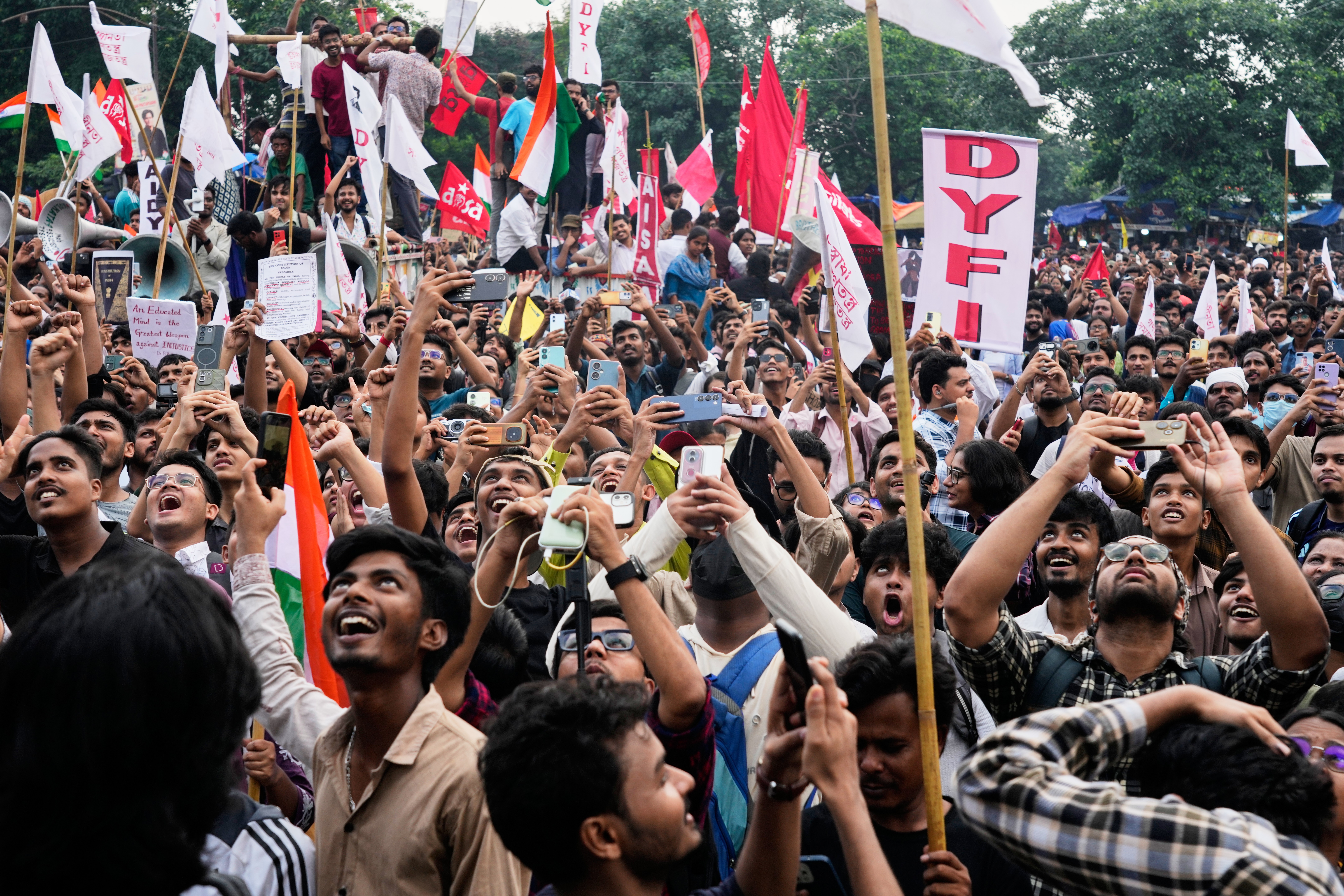
A student-led protest movement in India, dubbed the 'Cockroach Party' (CJP), has successfully pressured Prime Minister Narendra Modi's government into announcing reforms for the national examination system. The movement gained momentum following allegations of leaked exam papers for medical college admissions, leading to the cancellation of a test and the need to re-examine two million students. The leader of the CJP, 30-year-old political strategist Abhijeet Dipke, became the public face of the protests, which also highlighted widespread youth unemployment, with approximately 40% of graduates aged 15-25 currently jobless. The movement's demands initially focused on the resignation of the Education Minister, Dharmendra Pradhan, who has now stepped down. This outcome is seen as a significant setback for Prime Minister Modi, who has often projected an image of unyielding resolve. The CJP's satirical approach, inspired by a Supreme Court president's derogatory remarks about unemployed youth, resonated widely and galvanized opposition parties. The protests have underscored the dissatisfaction of India's youth, a demographic of 370 million people, with the current government. The next political test for Modi will be state elections early next year, with both government and opposition now acknowledging the need to address the concerns of young voters.
The "Cockroach Party" movement's success in compelling the resignation of India's Education Minister and forcing systemic reform highlights the growing influence of youth-led activism, particularly when amplified by social media and galvanized by perceived governmental indifference or insult. This event underscores a critical governance challenge: the increasing difficulty for established political structures to manage public discontent stemming from economic precarity, such as high youth unemployment, and perceived administrative failures. The movement's satirical framing, while effective in mobilizing support, also presents a complex dynamic for sustained political engagement beyond immediate protest. Future policy responses will likely need to address not only the immediate examination system issues but also broader economic opportunities and governance transparency to mitigate the risk of further political destabilization driven by demographic dissatisfaction.
AI-generated to prompt reflection — not editorial opinion, not advice, not a statement of fact. How this works.