India's 'Cockroach Party' Threatens Renewed Protests Over Mass Arrests
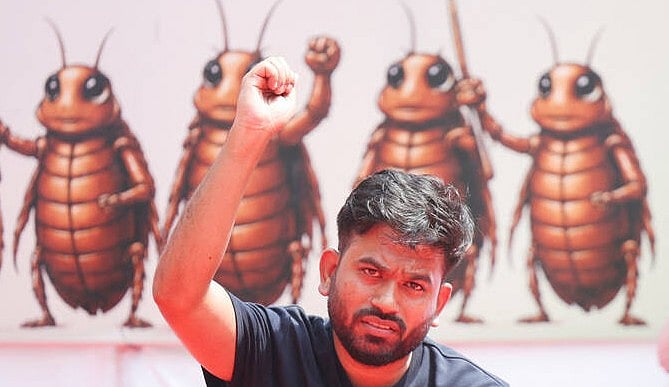
Leaders of the 'Cockroach Janata Party' (CJP), a youth-led movement in India, have threatened to resume street protests if arrested individuals are not immediately released. The CJP's previous weeks-long demonstrations led to the resignation of Education Minister Dharmendra Pradhan, a significant blow to Prime Minister Narendra Modi's government. The protests began in New Delhi's Jantar Mantar, demanding accountability for leaked exam papers affecting millions of students across various educational institutions. The CJP, known locally as 'cockroaches,' called for Pradhan's resignation, drawing thousands of students and citizens to demonstrations that spread nationwide.
Following the Education Minister's resignation, the CJP suspended its protests. However, the party alleges that over 100 people have been arrested nationwide since the suspension, with many facing non-bailable charges. CJP spokesperson Saurabh Das stated that the Modi government had assured no punitive action would be taken against protestors, leading to the suspension. The party has warned the government against reneging on this promise, reporting that students are being held in Assam, West Bengal, and Bihar. CJP spokesperson Ashutosh Ranka stated that if the government fails to honor the agreement and release detainees, they will be forced to restart the movement.
While the Bihar Police announced that no punitive legal action would be taken against protestors and all cases filed before July 20 would be withdrawn, the situation remains tense. The All India Students' Association (AISA), which participated in the Jantar Mantar protests, has met with the Bihar Police chief to demand the release of arrestees. The Assam government has also reportedly withdrawn cases and released arrested individuals. However, in West Bengal, new cases have been filed against protestors for displaying 'objectionable posters,' with 16 arrests made, predominantly of Muslims. Actress Sreelekha Mitra faces charges for displaying a cartoon of Modi, and another individual was arrested for posting an 'objectionable picture' of the leader. Delhi Police are also monitoring social media for 'offensive language and derogatory comments,' requesting platforms to remove such content. The CJP has established a legal fund to cover the legal expenses of accused protestors.
The CJP's threat to resume protests highlights a recurring tension between citizen mobilization and state response in India, particularly concerning issues of accountability in public examinations. The government's initial concession, leading to the Education Minister's resignation, suggests an acknowledgment of public pressure, but the subsequent arrests and new charges indicate a potential shift in strategy. This dynamic raises questions about the government's commitment to its assurances and the legal frameworks governing dissent. Future actions will likely depend on the CJP's ability to sustain momentum and the government's willingness to navigate public trust versus maintaining order. The role of social media in amplifying grievances and the state's surveillance of online discourse are critical factors shaping the evolving landscape of protest and governance in the digital age.
AI-generated to prompt reflection — not editorial opinion, not advice, not a statement of fact. How this works.