India's Declining Birth Rate: Implications for a Growing Nation
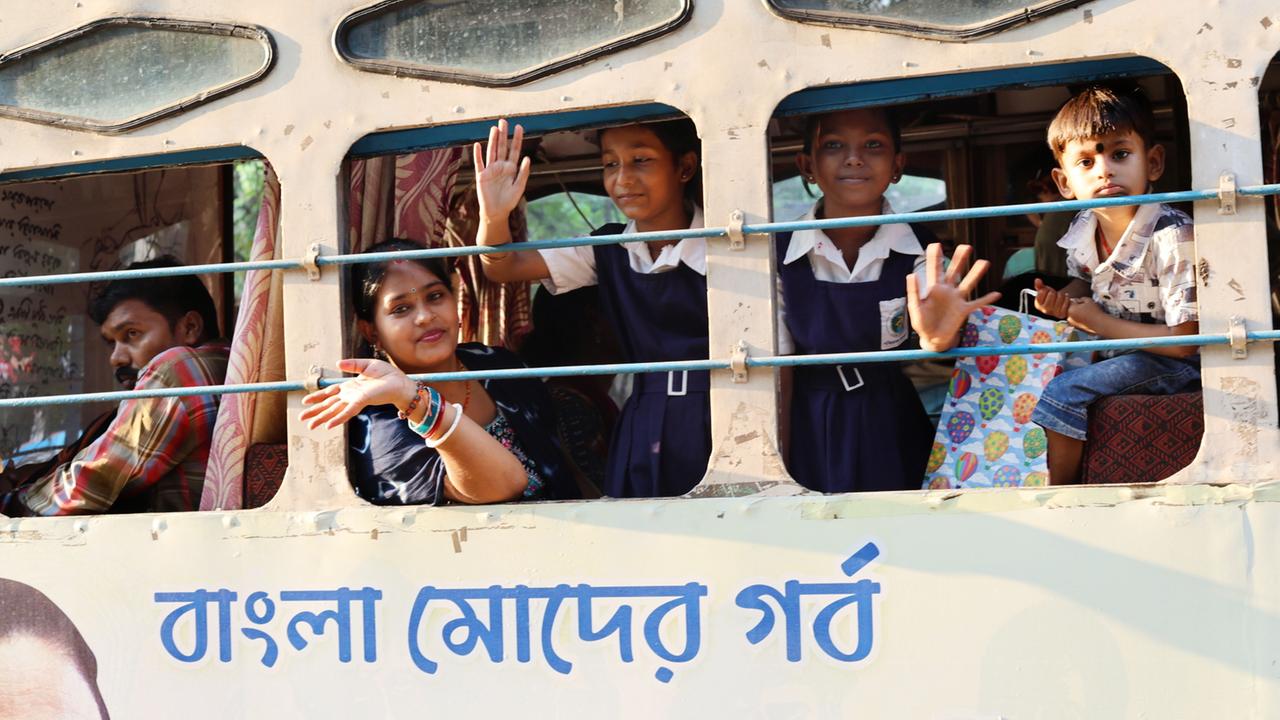
India, the world's most populous country, has historically seen large families as the norm. However, the birth rate is now experiencing a significant decline. This shift raises questions about the underlying reasons and the future implications for the rapidly developing nation. The trend suggests a potential transformation in India's demographic landscape, which has long been characterized by high population growth. Understanding the factors contributing to this decrease is crucial for policymakers and economists. The changing fertility rate could impact various aspects of Indian society, including the workforce, social structures, and economic development strategies. Further analysis is needed to fully grasp the long-term consequences of this demographic transition.
India's declining birth rate, a departure from its historical demographic trends, warrants examination through the lens of evolving socio-economic factors and policy impacts. As the global population dynamics shift towards lower fertility rates, understanding the specific drivers within India—such as increased access to education, urbanization, and changing cultural norms around family size—is key. This demographic transition presents both opportunities and challenges for India's economic trajectory and social fabric over the next decade. Policymakers will need to adapt strategies to potentially smaller future workforces and an aging population, while also capitalizing on the 'demographic dividend' if managed effectively. The long-term implications will depend on how India navigates these shifts, balancing economic growth with social welfare and sustainable development in an increasingly complex global environment.
AI-generated to prompt reflection — not editorial opinion, not advice, not a statement of fact. How this works.