India's E20 Fuel Mandate Sparks Motorist Anger and Political Opposition
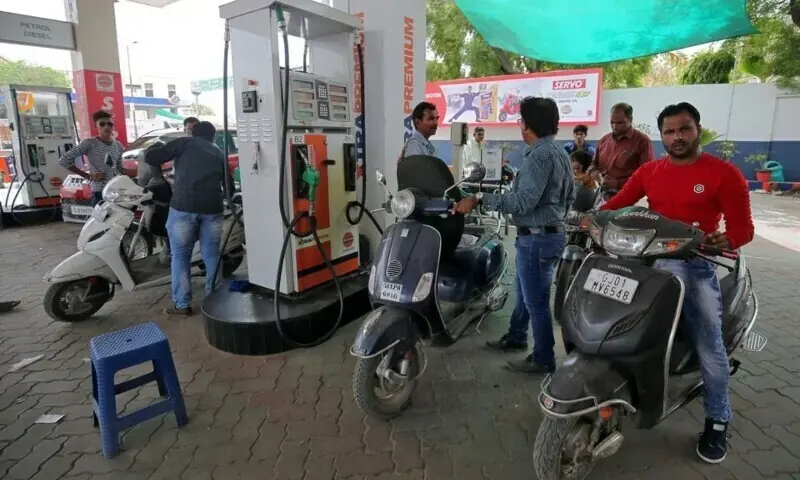
India's ambitious plan to mandate E20 petrol, a blend of 20% ethanol and 80% gasoline, is facing significant backlash from motorists and opposition leaders. A protest march led by opposition leader Arvind Kejriwal, carrying over 200,000 signatures, was halted by police en route to Prime Minister Narendra Modi's residence. The government champions E20 as a strategy to reduce reliance on imported crude oil, bolster farm incomes, and save foreign exchange, projecting savings of $20 billion since 2014-15 and farmer income boosts of $16.4 billion. However, drivers express concerns that E20 fuel could damage engines, increase maintenance costs, and reduce fuel efficiency by 3-5%. Social media has been flooded with videos alleging vehicle damage, though the government and some automakers dispute these claims. Junior Oil Minister Suresh Gopi stated that millions of vehicles have operated on E20 without verified widespread failures, citing manufacturer data showing no E20-linked corrosion or wear. Auto manufacturers like Maruti Suzuki and Hero MotoCorp report no significant issues in their testing and service data. Toyota India attributed viral complaints to fuel contamination rather than E20 itself. Critics are demanding that consumers be offered a choice of fuel blends without additional cost. The government, however, deems offering multiple fuel grades logistically challenging and cost-prohibitive, indicating no immediate plans to alter the E20 rollout.
India's push for E20 fuel reflects a global trend toward biofuels, driven by energy security and environmental policy objectives. The government's stated goals of reducing oil imports and supporting agriculture are clear economic incentives. However, the rapid implementation appears to be outpacing public acceptance and potentially vehicle compatibility assessments, creating friction with a significant consumer base. The conflict highlights a systemic challenge in energy transitions: balancing national strategic goals with the immediate economic and practical concerns of citizens and the automotive sector. Future policy might benefit from more phased introductions, robust independent testing protocols, and transparent communication channels to address consumer anxieties and ensure equitable cost distribution during technological shifts.
AI-generated to prompt reflection — not editorial opinion, not advice, not a statement of fact. How this works.
