India's Education Minister Resigns Amid NEET Exam Leak Scandal; Pralhad Joshi Takes Additional Charge
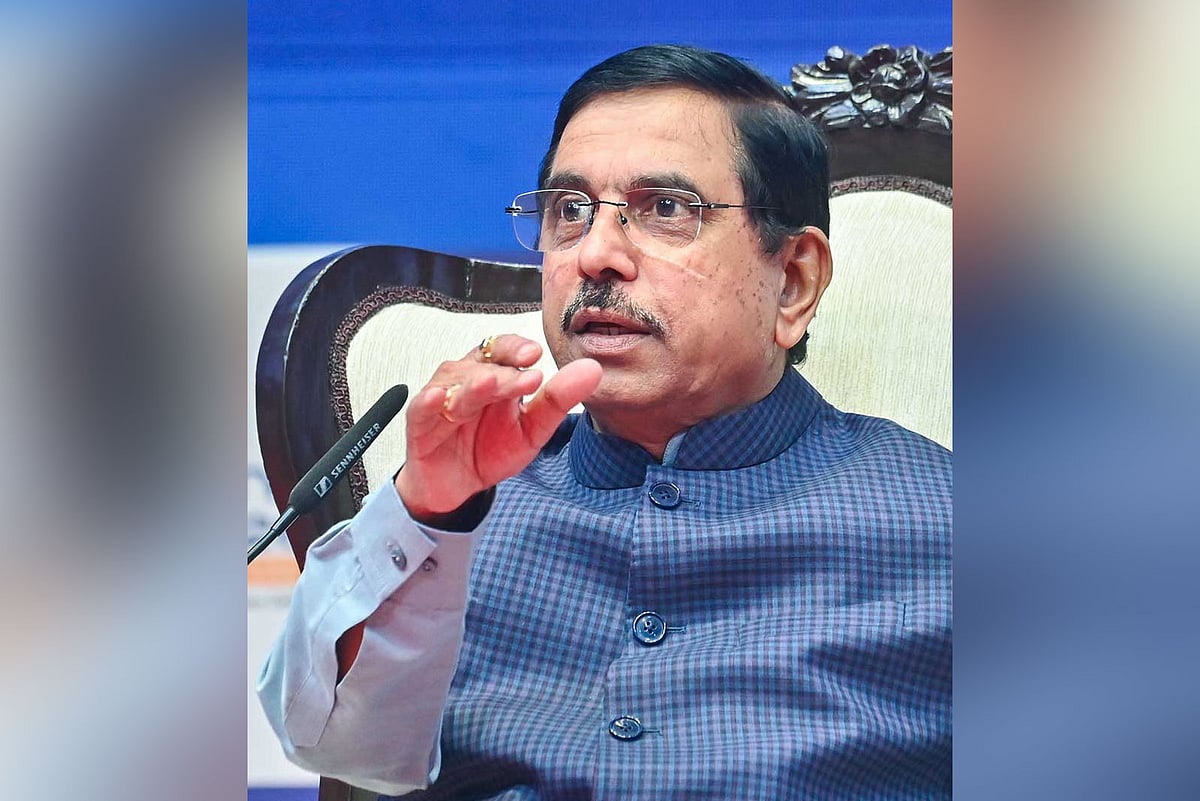
India's Union Education Minister, Dharmendra Pradhan, resigned on Saturday following widespread student protests across the nation concerning the leak of the NEET medical entrance exam's question paper. Following his resignation, Union Minister Pralhad Joshi has been given the additional responsibility of overseeing the Ministry of Education. President Droupadi Murmu accepted Pradhan's resignation at the recommendation of Prime Minister Narendra Modi, who also advised the President to assign Joshi the additional portfolio. Pralhad Joshi, a Lok Sabha member from Dharwad, Karnataka, currently holds the portfolios for Consumer Affairs, Food and Public Distribution, and New and Renewable Energy. Previously, he served as the Minister for Coal, Mines, and Parliamentary Affairs. The protests gained momentum in late May as allegations of the NEET-UG exam's question paper leak surfaced, leading to increased public anger. The 'Cockroach Janata Party' (CJP), founded by Abhijit Dipke, intensified its activism, with Dipke leading protests near Jantar Mantar upon his return to India in early June. A key demand of the movement was the resignation of Education Minister Dharmendra Pradhan due to irregularities in the examination. The movement gained further traction when educationist and activist Sonam Wangchuk began an indefinite hunger strike on June 28, which he ended this week after 26 days. The protests quickly spread to major cities across India, prompting the BJP-led central government to issue written assurances. These included promises that no cases would be filed against peaceful protesters, that exam reforms and accountability would be addressed in Parliament, and that compensation would be considered for the families of students who died by suicide following the leak allegations. Despite Wangchuk withdrawing his hunger strike based on government assurances, the CJP remained firm on its demand for Pradhan's resignation. Even after protesters were allegedly lathi-charged and the government adopted a stern stance on July 20, the movement persisted. Faced with the protesters' unwavering position, Prime Minister Narendra Modi ultimately relented, leading to Education Minister Dharmendra Pradhan's resignation. The 'Cockroach Party' subsequently called off its protest, stating they were placing 'trust in the government.'
The resignation of India's Union Education Minister, Dharmendra Pradhan, in the wake of the NEET exam leak scandal highlights critical governance challenges within the national examination system. The widespread protests and the government's eventual concessions underscore the growing public demand for accountability and transparency in high-stakes educational assessments. The involvement of activist groups and the sustained public pressure suggest a systemic vulnerability to information breaches and potential corruption within examination processes. Moving forward, the focus will likely shift to implementing robust technological safeguards, strengthening oversight mechanisms, and ensuring swift, impartial investigations into alleged malpractices. The government's commitment to exam reform and compensation for affected families will be crucial in rebuilding public trust, particularly as India navigates the increasing reliance on standardized testing in its rapidly expanding education sector.
AI-generated to prompt reflection — not editorial opinion, not advice, not a statement of fact. How this works.