India's Education Minister Resigns Amid Student Protests
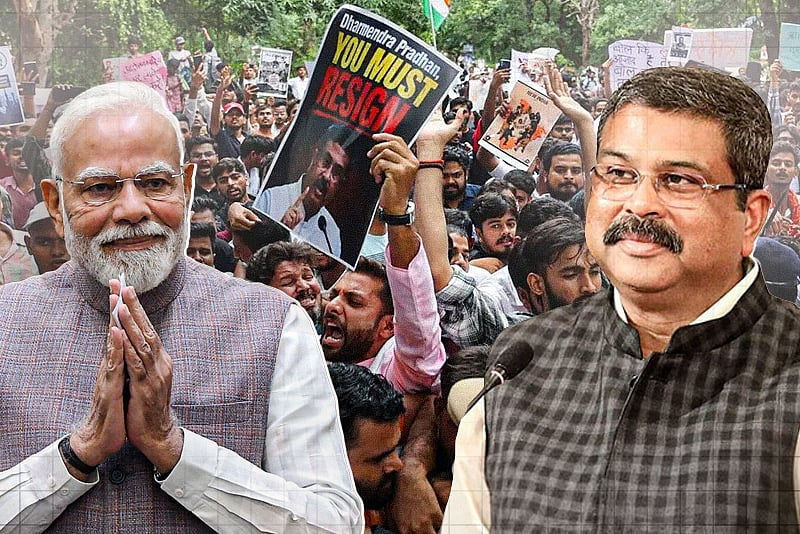
India's Education Minister, Dharmendra Pradhan, has been compelled to resign from his position following widespread student protests across the country. The protests, which lasted for 36 days, culminated in the minister's departure. The reasons behind Prime Minister Narendra Modi's decision to remove the minister are being closely examined in the wake of the significant public unrest. This development marks a critical juncture for the government's education policy and its handling of public dissent. The student movement gained considerable momentum, leading to significant pressure on the administration. The resignation is seen as a direct response to the sustained agitation by students demanding changes in educational policies. The duration and intensity of the protests highlight a deep-seated dissatisfaction among the student community. The government's swift action in accepting the resignation underscores the seriousness of the situation.
The resignation of Education Minister Dharmendra Pradhan following 36 days of student protests suggests a significant disconnect between government policy and student concerns. The Prime Minister's decision to replace the minister, rather than directly addressing the protest demands, may indicate a strategic move to de-escalate public anger while potentially reassessing the underlying educational reforms. This event highlights the increasing power of organized student movements in influencing national policy and the challenges governments face in balancing administrative authority with public accountability. Looking ahead, the situation prompts consideration of how educational institutions can better incorporate student feedback into policy development to prevent future widespread dissent and ensure a more responsive governance model in the long term.
AI-generated to prompt reflection — not editorial opinion, not advice, not a statement of fact. How this works.