India's Education Minister Resigns Amid Widespread Protests Over Exam Irregularities
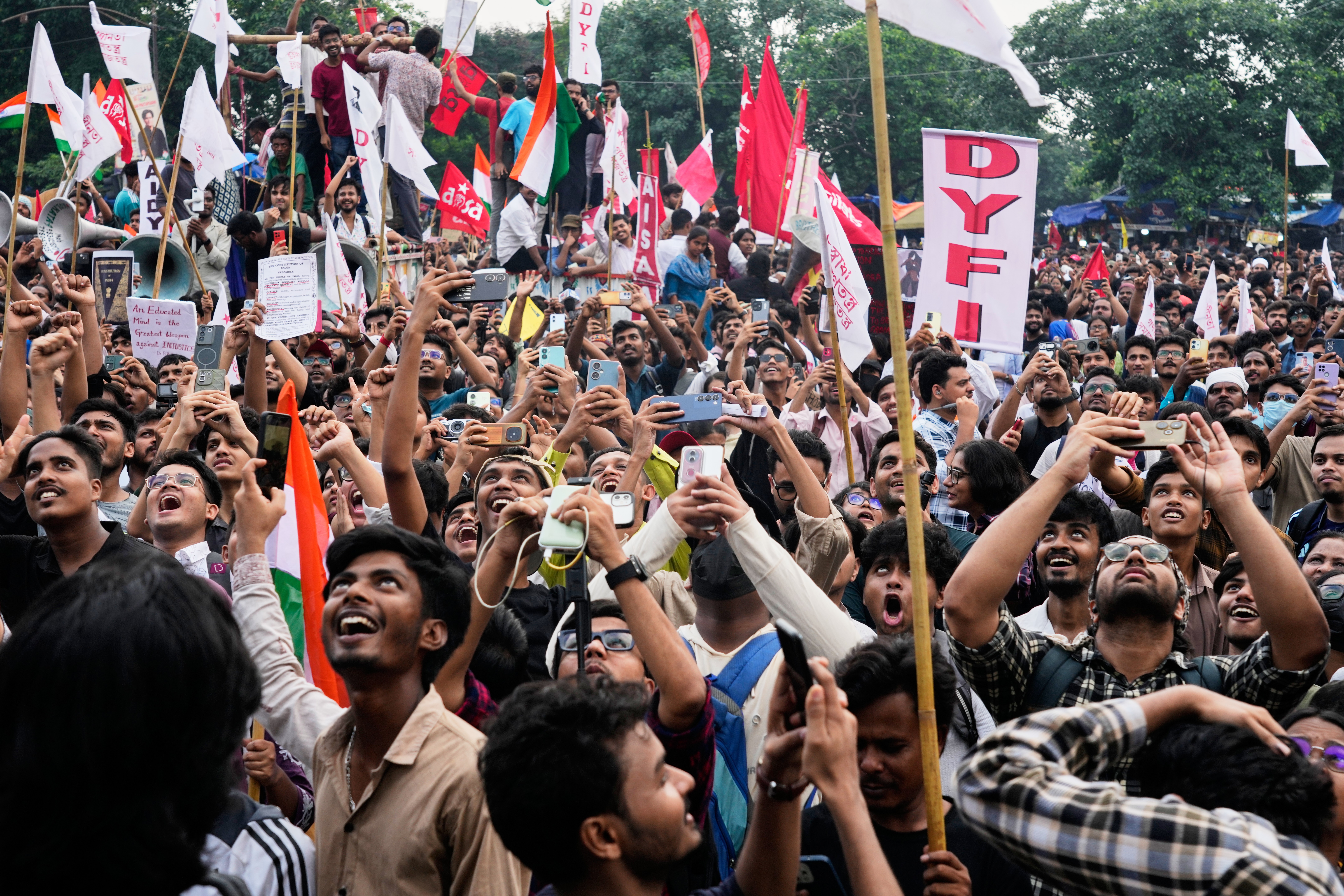
India's Education Minister, Dharmendra Pradhan, resigned on Saturday, July 25th, following weeks of intense nationwide protests. The demonstrations, organized by a movement dubbed 'Cockroach Janta,' demanded his dismissal due to alleged leaks and irregularities in the country's high-stakes entrance exams. Pradhan's resignation, announced via social media, represents a significant concession by Prime Minister Narendra Modi's government in response to the public outcry. The movement, which began over a month ago, initially focused on educational reforms but broadened to encompass concerns about unemployment, government accountability, and economic opportunities. Students, professionals, families, and activists participated in marches across major cities, including New Delhi and Kolkata. The protests escalated after police used tear gas and batons to disperse demonstrators, resulting in injuries and further fueling public anger. Earlier, the government had attempted to de-escalate tensions by announcing special tribunals for exam leak cases and pledging new legislation against cheating and corruption. However, protest leaders insisted that demonstrations would continue until Pradhan stepped down and broader reforms were implemented. They are also seeking compensation for families of students who allegedly died by suicide following the exam leak revelations.
The resignation of India's Education Minister reflects a critical juncture where public trust in examination integrity has eroded, leading to widespread social unrest. The government's response, including the establishment of special tribunals and proposed legislation, indicates an acknowledgment of systemic vulnerabilities within the educational assessment framework. However, the protests' evolution from specific exam concerns to broader issues of unemployment and accountability highlights deeper societal anxieties about meritocracy and opportunity in India. Moving forward, the focus will likely shift to the efficacy of these reforms in restoring faith in the examination system and addressing the underlying causes of youth disillusionment. The government faces the challenge of balancing swift remedial actions with the imperative to enact sustainable, transparent, and equitable educational governance structures that can withstand future pressures in an increasingly competitive global landscape.
AI-generated to prompt reflection — not editorial opinion, not advice, not a statement of fact. How this works.