India's Education Minister Resigns Amid Youth Protests
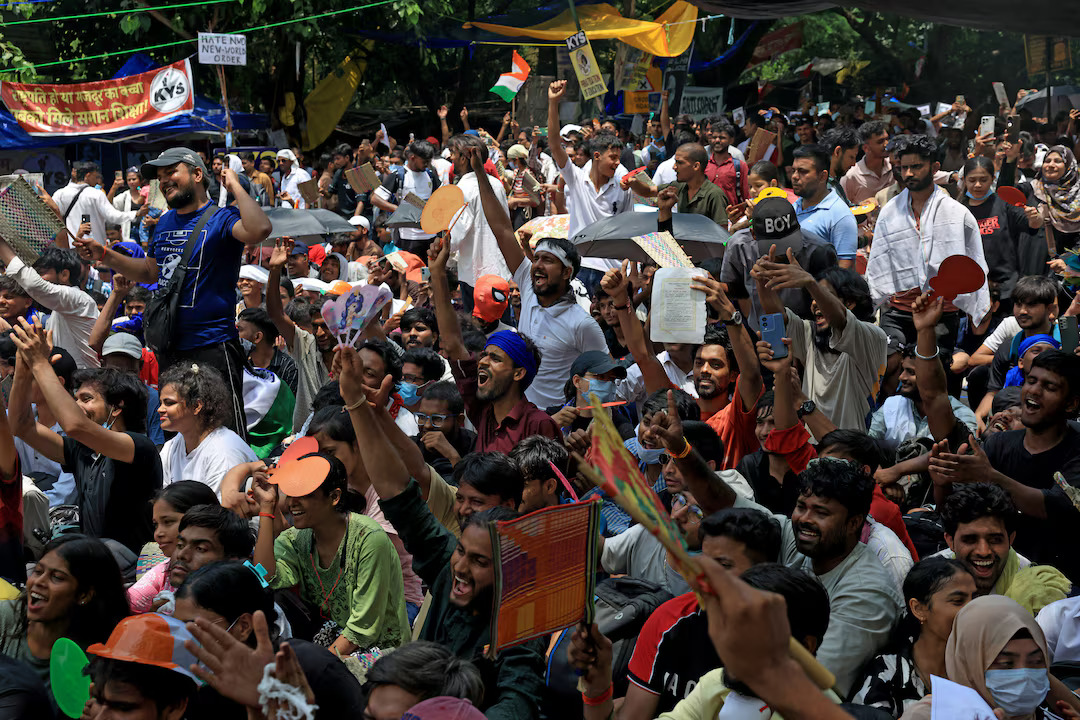
India's Minister of Education has resigned from his post, marking a significant development in the country's recent large-scale youth protests. These demonstrations have escalated into a major political challenge for Prime Minister Narendra Modi's administration. The protests, which have drawn considerable public attention, have seen politicians aligning with the youth's demands for action on specific issues. The resignation signifies a key victory for the young protesters who have been vocal in their calls for change. This situation has become a significant flashpoint, highlighting the growing influence of youth activism in the nation's political landscape. The scale of the demonstrations is reportedly the largest in recent years, underscoring the depth of public engagement and concern. Prime Minister Modi's government is now facing increased pressure to address the core issues raised by the protesters. The political ramifications of these events are still unfolding, with potential implications for future policy decisions and public discourse.
The resignation of India's Education Minister amid widespread youth protests represents a complex interplay of public pressure and governmental response. From an analytical perspective, this event highlights the increasing agency of youth movements in shaping national policy agendas, particularly in the digital age where mobilization can be rapid and far-reaching. The challenge for Prime Minister Modi's administration lies in balancing the immediate demands of protesters with broader national interests and long-term educational reforms. Future governance strategies may need to incorporate more robust mechanisms for youth consultation and participatory policy-making to preemptively address grievances and foster a more inclusive decision-making process. The incident also prompts reflection on the evolving dynamics between civil society and state power, suggesting a shift towards greater accountability, especially when large segments of the population, like the youth, actively engage in civic action.
AI-generated to prompt reflection — not editorial opinion, not advice, not a statement of fact. How this works.