India's First Bullet Train: 12 Stops and Advanced Track Technology Revealed
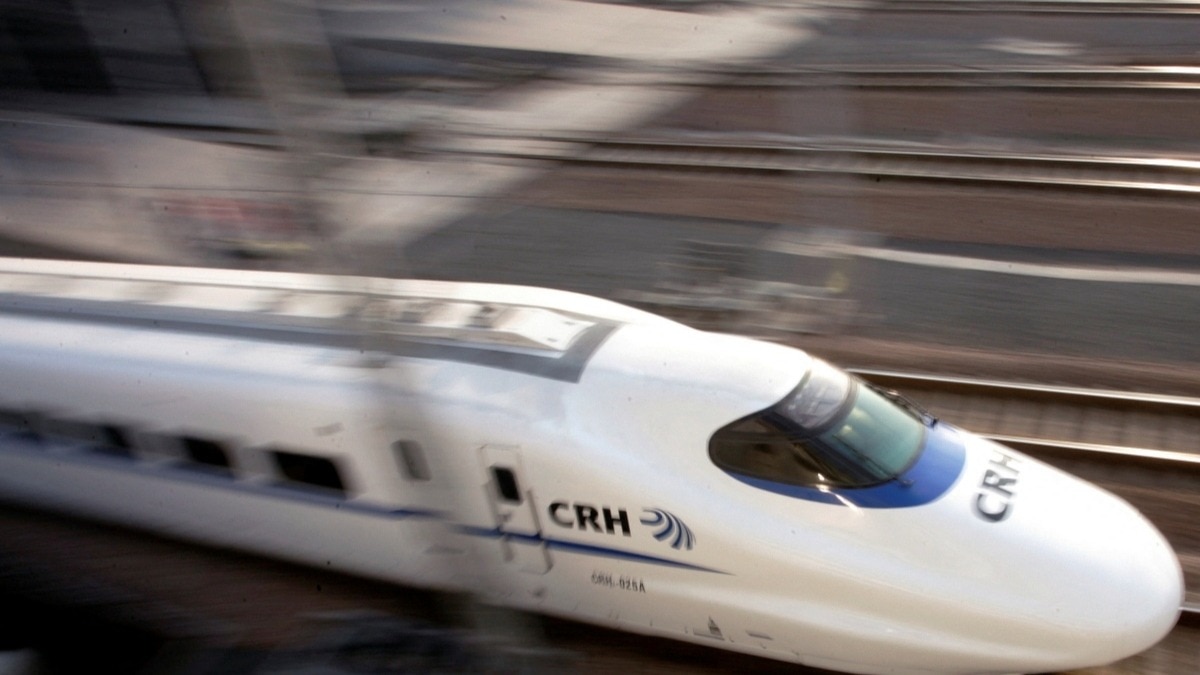
India's first bullet train is slated to commence operations on August 15, 2027, coinciding with the nation's Independence Day. Significant progress is being made on the dedicated corridor, with the installation of advanced track systems and electric lines progressing rapidly. The project involves 12 designated stops along its route, highlighting a substantial infrastructure undertaking. This high-speed rail initiative aims to revolutionize inter-city travel within the country. The advanced track technology and electric lines are crucial components for ensuring the safety and efficiency of the bullet train service. The government has emphasized the rapid pace of construction, signaling a commitment to meeting the ambitious 2027 deadline. This development marks a significant milestone in India's modernization of its railway network.
The rapid development of India's inaugural bullet train project signifies a strategic investment in high-speed transportation infrastructure. This initiative is likely driven by a confluence of factors, including economic growth projections, the need to decongest existing transportation networks, and a desire to enhance national connectivity. The deployment of advanced track and electric line technology suggests a focus on operational efficiency and safety standards comparable to international benchmarks. Looking ahead, the success of this project could catalyze further expansion of high-speed rail across India, potentially reshaping domestic travel patterns and stimulating regional economic development. However, the long-term viability will depend on sustained public investment, effective operational management, and the ability to integrate seamlessly with other modes of transport.
AI-generated to prompt reflection — not editorial opinion, not advice, not a statement of fact. How this works.