India's Indus Waters Treaty Stance: Citing US, Russia, and China Precedents
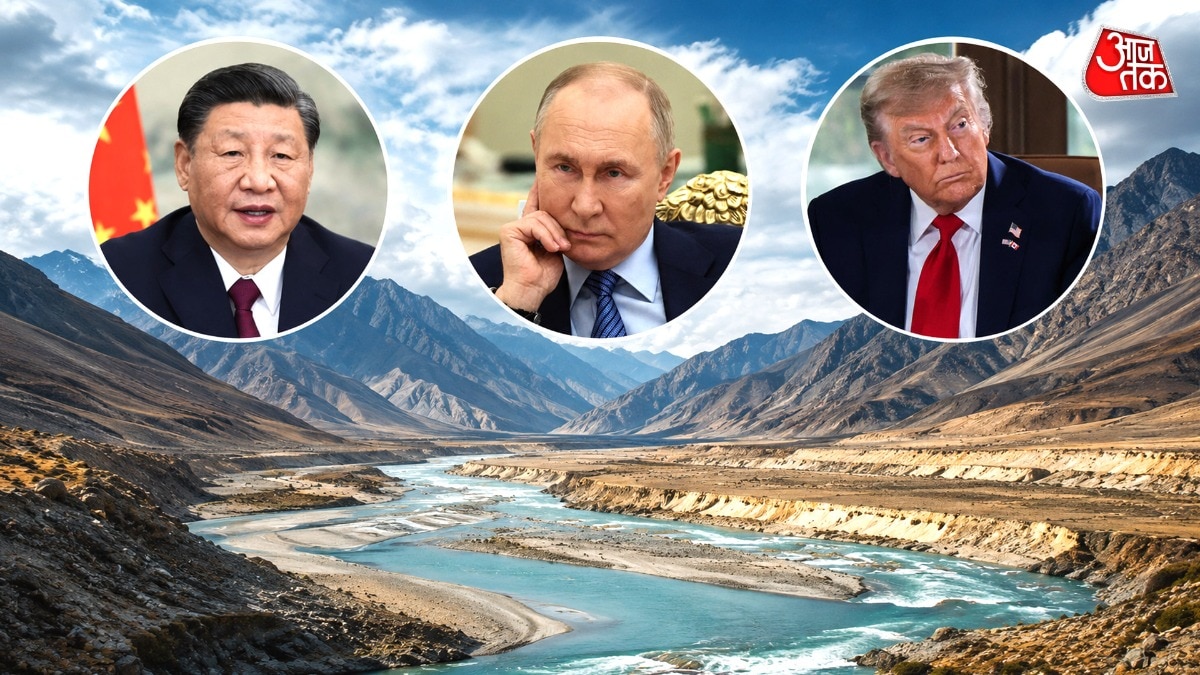
Pakistan frequently blames India for not adhering to the Indus Waters Treaty, while remaining silent on the issue of terrorism. India, in response, points to international precedents where powerful nations have abrogated agreements that no longer served their national interests. Examples cited include China, Russia, and the United States, all of whom have terminated treaties deemed inconsistent with their strategic objectives. This highlights India's position that it is not alone in considering such actions when treaty compliance is perceived as detrimental to national security and interests, especially when counterparty actions, like supporting terrorism, undermine the spirit of cooperation.
The Indus Waters Treaty, established in 1960, is a complex water-sharing agreement between India and Pakistan. India's invocation of precedents set by major powers like the US, Russia, and China suggests a strategic recalibration of its approach. By highlighting these examples, India aims to legitimize potential future actions, framing them not as unilateral breaches but as responses to perceived non-compliance and geopolitical realities. This tactic leverages international relations dynamics, implying that treaty adherence is contingent upon mutual respect and security, and that powerful nations reserve the right to reassess commitments when national interests are threatened. The underlying tension between resource management and national security concerns, amplified by regional instability, presents a significant challenge for long-term diplomatic solutions.
AI-generated to prompt reflection — not editorial opinion, not advice, not a statement of fact. How this works.