India's Monsoon Session Begins Amidst Protests and Political Maneuvering
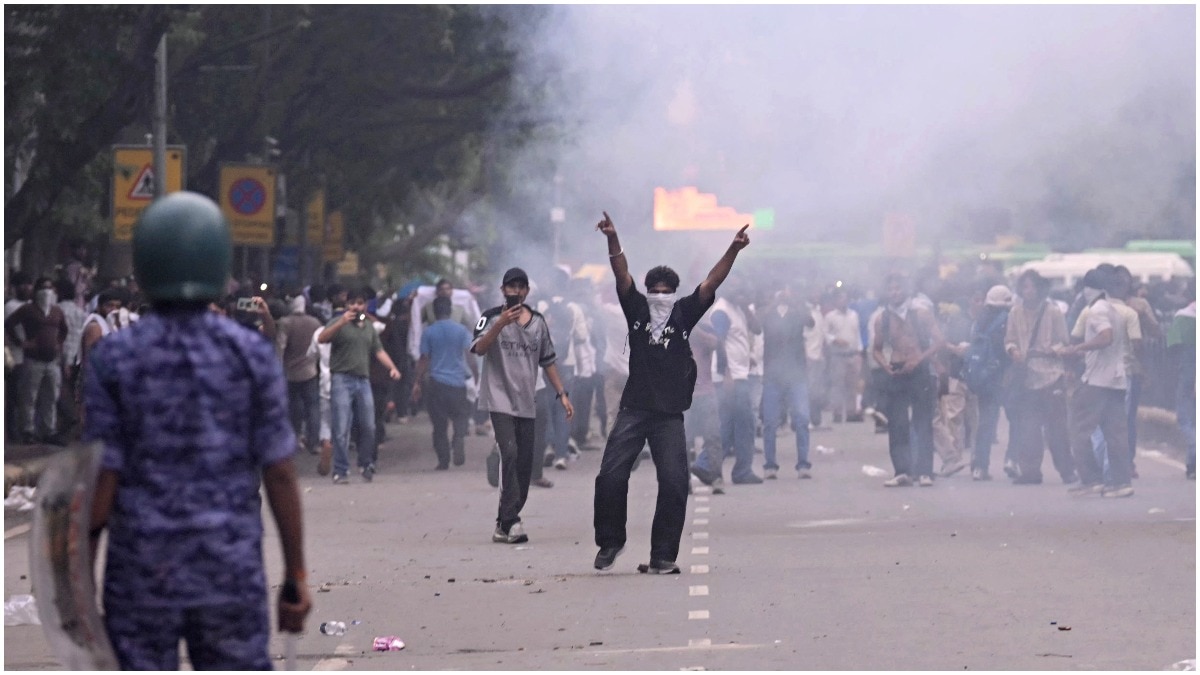
India's monsoon parliamentary session commenced with significant political and administrative activity in Delhi on its first day. The 'Chalo Sansad' march, organized by the Cockroach Janata Party, demanding action on the NEET exam paper leak and other examination reforms, led to considerable unrest. Clashes erupted between protesters and police on Sansad Marg, resulting in the use of tear gas and the detention of over 100 individuals. Concurrently, discussions were initiated between the government and the CGP. The entire day was marked by confrontation, both within the parliament and on the streets, highlighting the contentious nature of the examination irregularities.
The convergence of street protests and parliamentary deliberations on the first day of India's monsoon session underscores a critical juncture in public trust regarding examination integrity. The government faces the dual challenge of addressing immediate public grievances stemming from alleged irregularities, such as the NEET paper leak, while simultaneously navigating legislative processes. The response to these protests, including the use of force and detentions, will shape perceptions of governmental responsiveness and accountability. Moving forward, establishing robust, transparent, and technologically advanced examination oversight mechanisms will be crucial to restoring confidence and mitigating future disruptions, particularly as educational access remains a significant societal concern in the coming decade.
AI-generated to prompt reflection — not editorial opinion, not advice, not a statement of fact. How this works.