India's Parliament Must Address Street Protests, Not Suppress Them
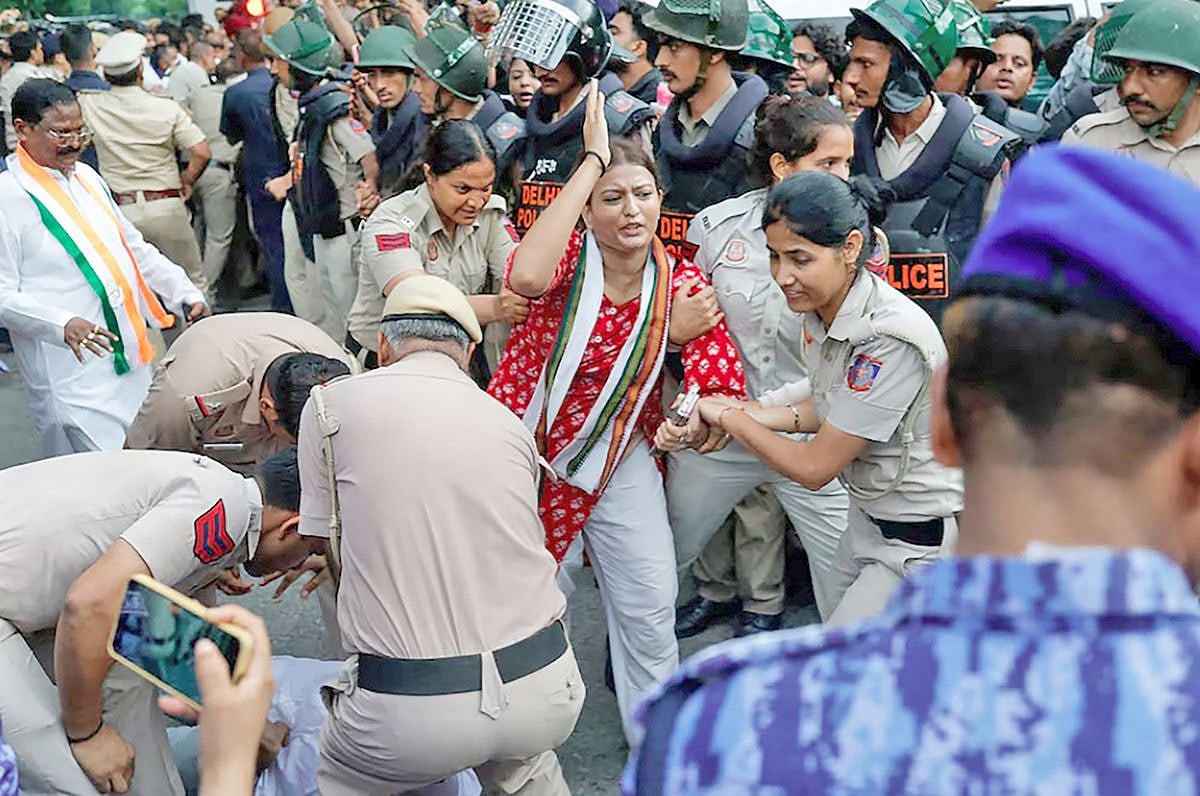
A constitutional democracy's strength lies not just in enforcing laws but in how it respectfully accommodates dissent, according to Indian Congress MP Shashi Tharoor. A confident state views peaceful protests as a reflection of citizen concerns, while a weak regime may resort to suppression. Recent events in New Delhi, where students and activists protested for accountability on issues affecting their future, were met with state repression rather than dialogue. The author highlights the use of violence and arrests to silence protesters, creating a dangerous void where dissent festers into anger and alienation. Approximately 100 young individuals required hospitalization following police action, with injuries ranging from broken bones to severe trauma and psychological distress.
The government's response to environmental activist Sonam Wangchuk's three-week hunger strike was also criticized. Wangchuk, employing Gandhian methods to awaken the state's conscience, was forcibly taken to a hospital under the guise of medical care, blurring the lines between treatment and detention. Similarly, the alleged rough handling of opposition leader Rahul Gandhi was deemed contrary to democratic values. Tharoor argues that a state fearing a peaceful protestor's moral strength lacks self-confidence, suggesting a deliberate effort to dismantle movements by arresting leaders and instilling fear.
Furthermore, the parliamentary response is seen as a failure, with the government reportedly rejecting opposition notices for urgent discussions on the street situation. This inaction sends a message that the government is unwilling to bring public voices into parliamentary discourse, thereby weakening the core structure of parliamentary democracy where the government is accountable to the legislature. The article emphasizes that democracy thrives on open debate, not imposed silence, and that the right to peaceful assembly is a fundamental right, not a state concession. To rectify the situation, Tharoor calls for a judicial inquiry into the use of excessive force, direct dialogue with student representatives, and for Parliament to facilitate open discussions on public issues, restoring its role as a forum for accountability and not just a legislative body.
The events described illustrate a tension between state authority and citizen expression within India's democratic framework. When state responses to public grievances prioritize suppression over dialogue, it can erode public trust and create systemic instability. The analysis suggests that the government's approach may stem from a perceived need to maintain order, potentially overlooking the long-term consequences of stifling dissent, such as increased alienation and radicalization. Future governance models will likely need to balance security imperatives with robust mechanisms for public participation and accountability to ensure sustained democratic legitimacy. The challenge lies in fostering an environment where diverse voices can be heard and addressed constructively, preventing the escalation of grievances into broader societal challenges.
AI-generated to prompt reflection — not editorial opinion, not advice, not a statement of fact. How this works.