India's PM Modi visits New Zealand amid trade deal backlash and anti-migrant sentiment
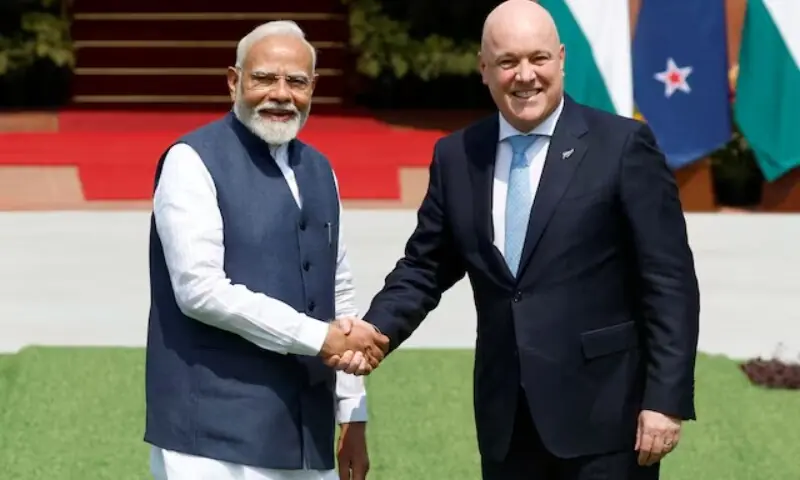
Indian Prime Minister Narendra Modi arrived in New Zealand on Friday, aiming to promote a recently signed free trade agreement despite facing domestic criticism. The deal, which New Zealand Prime Minister Christopher Luxon celebrated in April as a pathway to economic growth and job creation, is expected to be approved by New Zealand's parliament. However, elements within the governing coalition, specifically the New Zealand First Party, have voiced strong opposition to provisions concerning migration and visas. Minister Shane Jones controversially described the potential influx of Indian migrants as a "butter chicken tsunami," a remark an Indian community leader labeled as "outright racism."
Further complicating the visit, self-proclaimed "apostle" Brian Tamaki made inflammatory comments on Instagram, accusing Prime Minister Modi of persecuting Christians in India and suggesting retaliatory actions against Indian religious sites in New Zealand. These statements were condemned as "utterly appalling" by New Zealand's race relations commissioner. The visit occurs at a time when New Zealand's South Asian community is reportedly facing increased racial discrimination, with anthropologist Sita Venkateswar noting incidents like "butter chicken tsunami" slurs and graffiti. Prime Minister Modi's brief visit, part of a larger tour including Indonesia and Australia, will include official ceremonies and business events in Auckland, culminating in a large community gathering for the Indian diaspora.
Prime Minister Modi's visit to New Zealand, framed by a new trade agreement, highlights the complex interplay between economic liberalization and domestic social concerns. While the free trade deal aims to foster bilateral prosperity, its implementation faces headwinds from populist sentiments and anxieties regarding immigration, as evidenced by inflammatory rhetoric from certain political figures and community leaders. This situation presents a governance challenge: balancing the pursuit of international economic opportunities with the need to manage domestic social cohesion and address instances of xenophobia. The incident underscores a broader global trend where trade agreements can become flashpoints for cultural and identity-based tensions, requiring careful diplomatic navigation and robust public discourse to mitigate potential societal divisions and ensure inclusive economic benefits.
AI-generated to prompt reflection — not editorial opinion, not advice, not a statement of fact. How this works.