India's PM Modi Vows Strict Punishment for Exam Fraud Amidst Student Protests
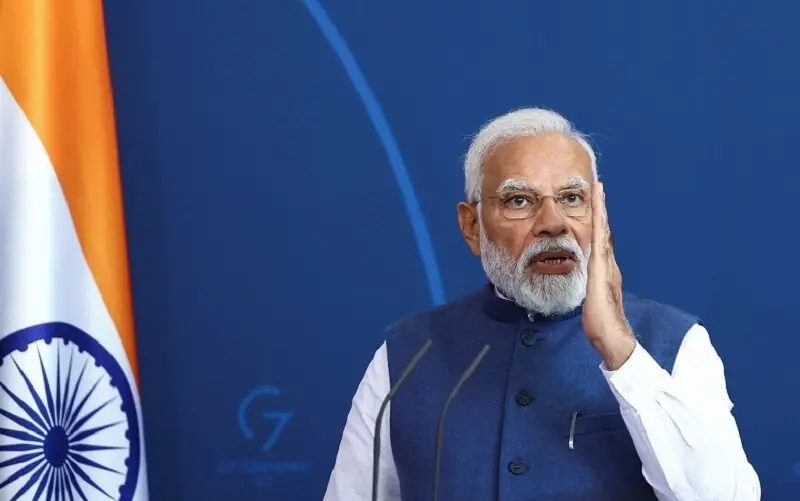
Indian Prime Minister Narendra Modi has pledged "stringent punishment" for individuals involved in exam fraud, marking his first public statement on widespread student protests. The demonstrations, largely driven by the social media movement Cockroach Janta Party (CJP), intensified on Wednesday with thousands rallying in New Delhi, leading to clashes with police. Modi stated on X that the future of India's youth is paramount and announced plans for fast-track courts to prosecute those responsible for question paper leaks. He assured that "those who try to harm the future of our youth will not be spared." Students have been demanding the education minister's resignation since last month due to repeated exam paper leaks. Protests escalated on Monday when police used tear gas and batons against demonstrators attempting to march to parliament, resulting in the largest street rally in the capital in approximately five years. The clashes injured at least 178 people, including security personnel. The CJP, which began as a satirical response to a judge's reported comments, has expanded its platform to address unemployment, youth opportunities, and concerns about Modi's governance. These protests represent a significant challenge to Modi's administration, particularly following the 2024 re-election. Recent exam irregularities, including a medical entrance exam leak affecting over two million candidates and a dispute over online marking for nearly two million high school students, have eroded public confidence in the examination system.
The government's response to the exam fraud and subsequent protests highlights a critical juncture in public trust concerning educational integrity and youth opportunities in India. The establishment of fast-track courts signals an intent to address immediate grievances decisively, aiming to restore confidence in the examination system. However, the underlying issues of systemic vulnerabilities in exam security and broader concerns about unemployment and governance, amplified by social media movements like the CJP, suggest that punitive measures alone may not suffice. Future policy considerations should explore robust technological safeguards, transparent administrative processes, and long-term strategies for youth empowerment to mitigate the recurrence of such crises and foster sustained public confidence.
AI-generated to prompt reflection — not editorial opinion, not advice, not a statement of fact. How this works.