India's power sector opening to Chinese firms presents opportunity for Nepal
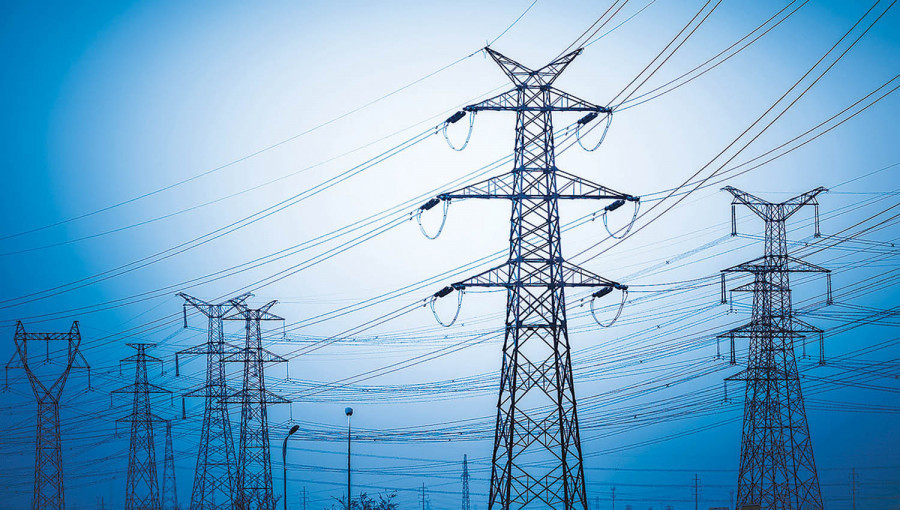
India has recently opened its critical electricity transmission infrastructure sector to companies with Chinese ownership or business links. This decision comes with a two-year exemption, allowing four such firms to bid on Indian government contracts. This move by New Delhi creates a potential opening for Nepal to advance its own interests and proposals within the regional energy landscape. The implications of this policy shift are significant for energy trade and infrastructure development in South Asia. Nepal, which shares borders and significant energy interests with both India and China, may find this a strategic moment to engage with both nations. The opening of India's power transmission sector could influence cross-border energy projects and investment flows. It remains to be seen how Nepal will leverage this evolving geopolitical and economic dynamic. The exemption period of two years suggests a trial or review phase for these Chinese-linked companies' participation in India's infrastructure projects. This development underscores the complex interplay of national interests and international cooperation in the energy sector.
India's decision to permit Chinese-linked firms into its critical power transmission infrastructure, even with a temporary exemption, signals a pragmatic approach to addressing domestic energy needs and potentially managing geopolitical relationships. This policy shift may reflect an assessment of global supply chain dynamics and the need for diverse partnerships in infrastructure development. For Nepal, this presents a complex opportunity: it could leverage its strategic position to negotiate more favorable terms for its own energy projects or face increased competition and influence from larger regional players. The long-term implications will depend on the efficacy of the exemption, India's evolving foreign investment policies, and Nepal's diplomatic agility in navigating these shifting regional power structures.
AI-generated to prompt reflection — not editorial opinion, not advice, not a statement of fact. How this works.