India's Pragmatic Alliances May Reshape Indo-Pacific Security Amid US Uncertainty
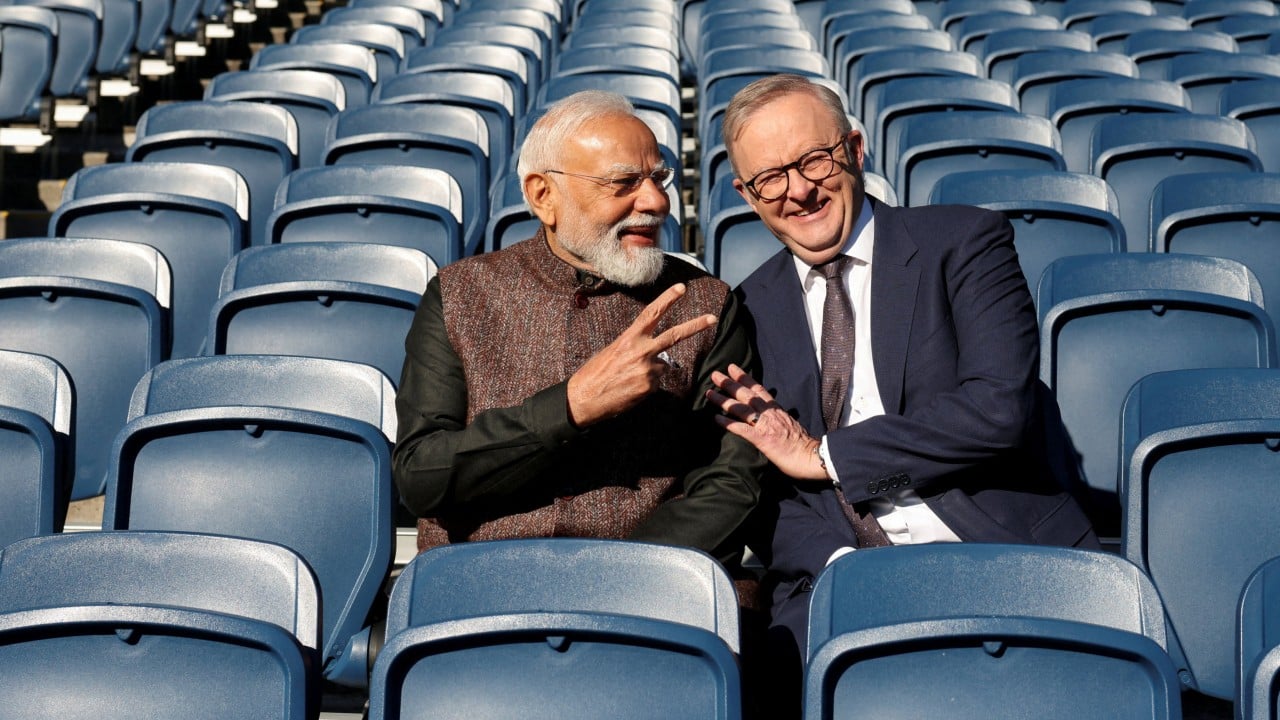
India is increasing its engagement with middle powers in the Indo-Pacific region as concerns grow about the future of US security commitments in Asia. Analysts suggest that New Delhi is strategically constructing a network of partnerships. These collaborations enable countries with diverse strategic interests to cooperate without formal alliance structures. Prime Minister Narendra Modi undertook a six-day diplomatic tour from July 6 to July 11, visiting Indonesia, Australia, and New Zealand. During this tour, India signed numerous agreements aimed at enhancing cooperation and security ties. This proactive approach by India aims to bolster regional stability and its own strategic positioning in a dynamic geopolitical landscape. The focus on practical, issue-based cooperation allows for flexibility and adaptability in response to evolving regional security challenges. India's strategy appears to be one of building a robust, albeit informal, security architecture.
India's diplomatic maneuvers in the Indo-Pacific reflect a strategic adaptation to perceived shifts in global power dynamics, particularly regarding US engagement. By fostering flexible, non-alliance partnerships, India is attempting to enhance regional security and its own influence without committing to rigid, potentially entangling, military pacts. This approach leverages the principle of shared interests among middle powers, creating a more resilient security network. Such a strategy could offer a counter-balance to emerging regional hegemonic ambitions and provide a degree of strategic autonomy for participating nations. The long-term implications will depend on the ability of these diverse partners to coordinate effectively and the sustained commitment of key players like India in navigating complex geopolitical currents over the next decade.
AI-generated to prompt reflection — not editorial opinion, not advice, not a statement of fact. How this works.