India's RBI Invites Global Bids for Plastic Banknote Production
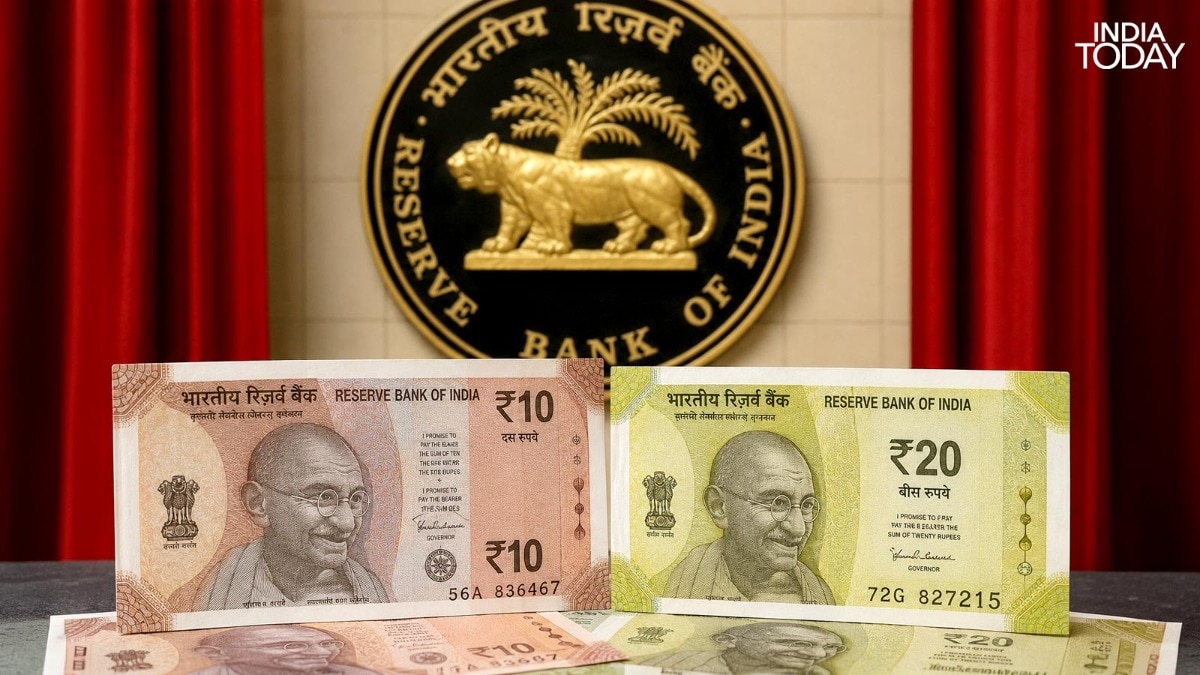
India is set to introduce plastic banknotes in the near future, with the Reserve Bank of India (RBI) having issued a global tender for their production. The initial phase of this initiative will focus on printing 10 and 20 rupee denominations. This move signifies a potential shift in the country's currency infrastructure towards more durable and longer-lasting materials. The RBI's decision to explore plastic currency follows similar initiatives in other countries that have adopted polymer banknotes to enhance longevity and security features. The tender process will likely involve evaluating various technological capabilities and cost-effectiveness from international suppliers. The introduction of plastic notes is expected to bring about changes in currency management and circulation within India.
The Reserve Bank of India's exploration of plastic banknotes reflects a global trend toward more resilient currency materials, aiming to reduce replacement costs and enhance security. This strategic shift, driven by the need for durable currency in diverse environmental conditions, could improve the lifespan of banknotes and potentially reduce the environmental impact associated with frequent printing. The global tender process suggests an openness to international innovation and manufacturing standards, fostering competition that may lead to cost efficiencies and advanced security features. Evaluating this move through a ten-year lens, the adoption of polymer currency aligns with technological advancements in material science and anti-counterfeiting measures, positioning India to potentially benefit from improved currency integrity and operational resilience in the digital age.
AI-generated to prompt reflection — not editorial opinion, not advice, not a statement of fact. How this works.