India's Regional Influence Wanes as China and US Vie for Dominance
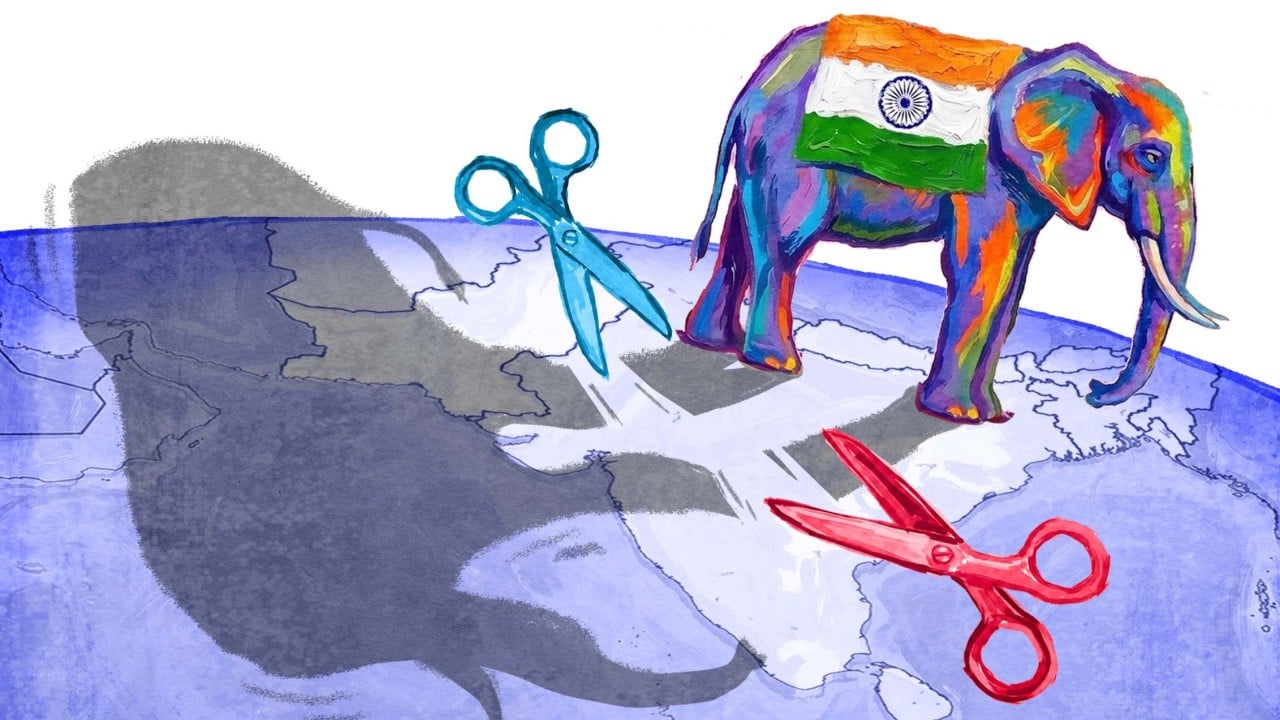
South Asia is experiencing a significant geopolitical transformation where smaller nations are gaining more strategic choices, diminishing India's traditional regional leadership. This shift underscores that regional influence can no longer be solely based on geographical proximity but requires active cultivation of beneficial relationships that can compete with alternative partnerships. China's growing assertiveness, beginning at India's border, is a key factor in this evolving landscape. The two Asian giants have a history of conflict, including a war in 1962, and continue to dispute a substantial border of approximately 3,500 kilometers. Recent clashes have resulted in casualties, highlighting the ongoing tensions.
The evolving dynamics in South Asia suggest a multipolar regional order is emerging, challenging the notion of a single hegemonic power. India's strategic challenge lies in adapting its foreign policy to maintain influence by offering compelling economic and security partnerships that rival those presented by China and the United States. The competition for influence among these major powers creates opportunities for smaller states but also introduces complexities in navigating alliances and dependencies. Future regional stability will likely depend on the ability of all actors to manage disputes through dialogue and to foster cooperative frameworks that address shared challenges, rather than solely focusing on zero-sum competition.
AI-generated to prompt reflection — not editorial opinion, not advice, not a statement of fact. How this works.