India's Safeguard Duty Halves Nepal's Iron and Steel Exports, Causing Billions in Losses
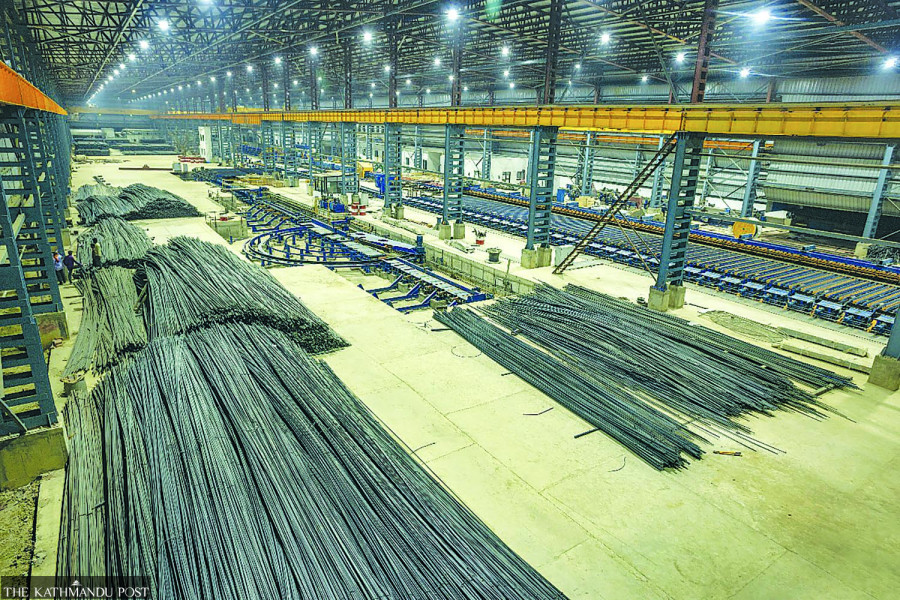
Nepal's iron and steel exports to India have plummeted by two-thirds, resulting in a significant decline in export earnings. Over an eleven-month period, Nepal lost approximately Rs10.6 billion (US$80 million) in export revenue due to the imposition of safeguard duties and stringent Bureau of Indian Standards (BIS) certification requirements by India. This sharp decrease has severely impacted the Nepali iron and steel manufacturing sector. In response to this crisis, manufacturers are urgently appealing to the Nepali government to initiate high-level trade negotiations with India. They believe that direct dialogue at a governmental level is crucial to address the trade barriers and find a resolution that can restore export levels and economic stability for the industry. The current situation highlights the vulnerability of Nepali exports to policy changes in its larger neighbor.
The imposition of safeguard duties and certification standards by India has demonstrably impacted Nepal's export sector, leading to substantial revenue loss. This situation underscores the critical importance of bilateral trade agreements and dispute resolution mechanisms in managing economic interdependencies between nations. Nepali manufacturers' call for high-level negotiations suggests a need for proactive diplomatic engagement to address market access issues. Future trade policies should consider the potential for such measures to create significant economic disruptions for smaller economies and explore more collaborative approaches to ensure fair trade practices and sustainable export growth, particularly in the context of evolving global supply chains and regional economic integration.
AI-generated to prompt reflection — not editorial opinion, not advice, not a statement of fact. How this works.